
CNC lathe automation: a robot that loads and unloads your lathe
A robot loads blanks into the chuck, unloads the turned parts and starts the next cycle, so your lathe keeps running at night and over the weekend.
What is CNC lathe automation?
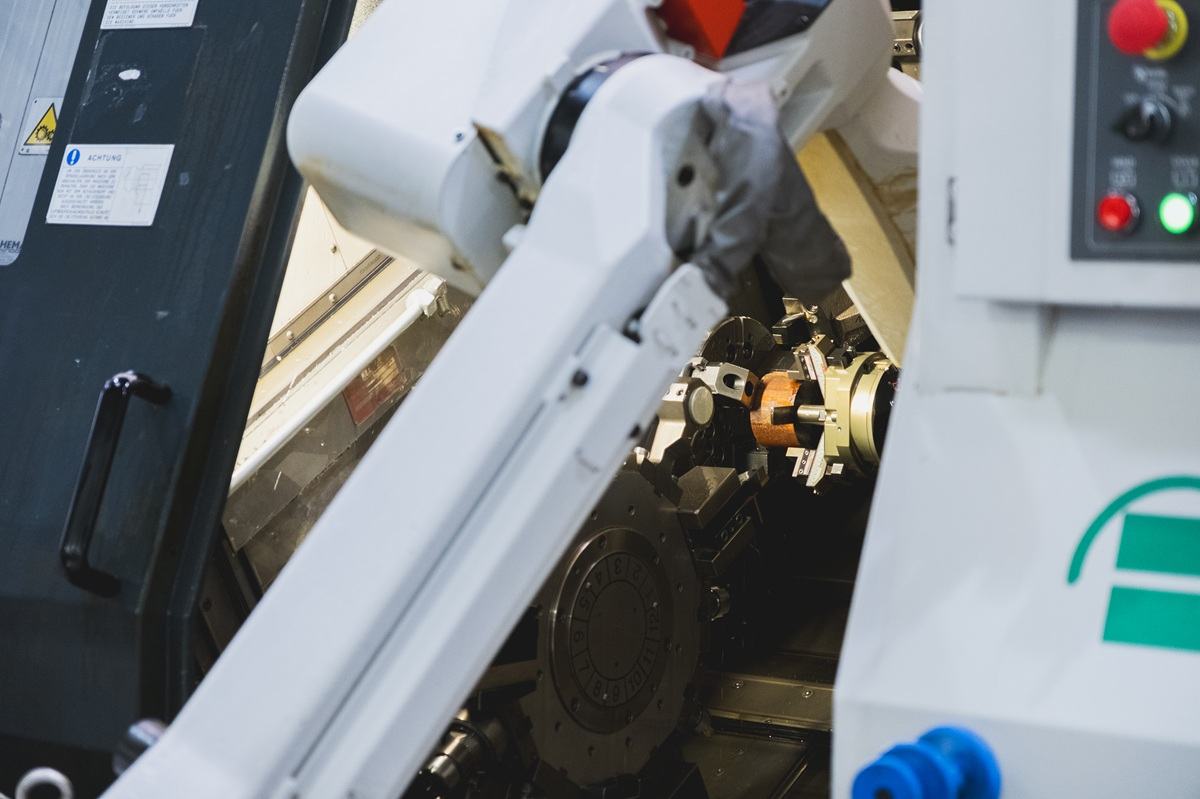
CNC lathe automation means a robot takes over the loading and unloading of your lathe. This lathe robot loader picks a blank, places it in the chuck or collet, starts the program and removes the turned part. Turning itself stays exactly as it is. RoboJob has automated CNC lathes since 2010, when the first Turn-Assist was installed. Serial number 1 is still running today.
Lathes are well suited to automation. Cycle times are often short, so an operator spends a large part of the shift loading and unloading. A robot takes over that repetitive work and keeps the spindle turning during breaks, between shifts and through the night.
A robot does a different job than a bar feeder. A bar feeder pushes bar stock through the spindle. A robot loads individual blanks, sawn sections, castings or forgings, and can also unload, flip and stack parts.
- Shortage of skilled operators: one operator supervises several lathes instead of feeding one.
- Short cycle times: the robot handles the loading every few minutes, so nobody has to stand next to the machine.
- More spindle hours: evening, night and weekend shifts run unattended on the lathes you already own.
- Consistent quality: every blank is clamped the same way, cycle after cycle.
- Better jobs: operators move from loading to programming, set-up and quality control.
How a robot loads your CNC lathe
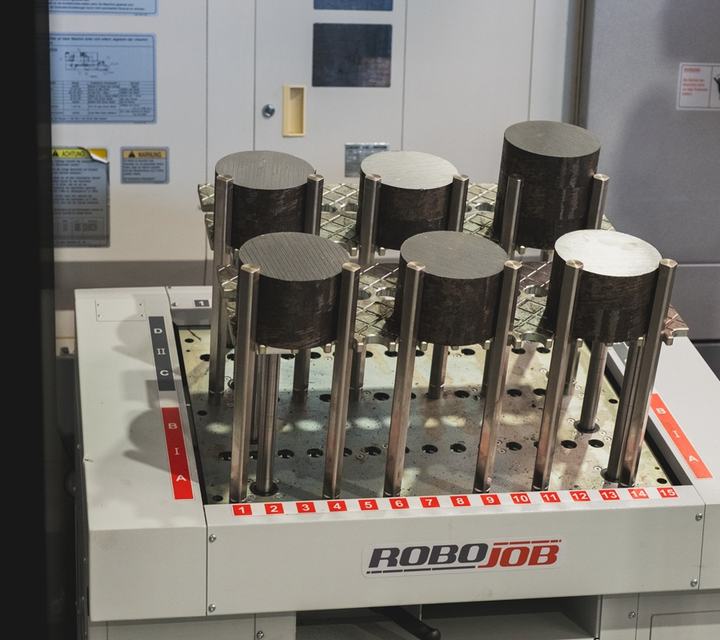
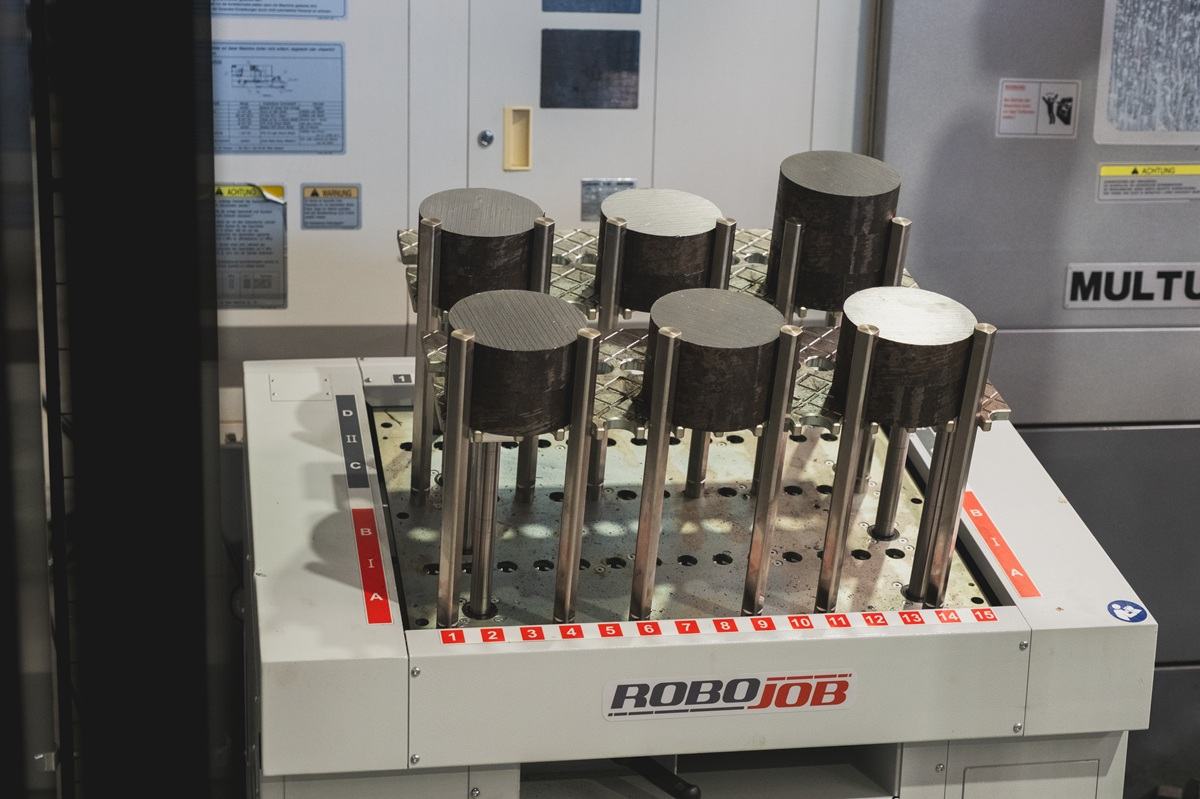
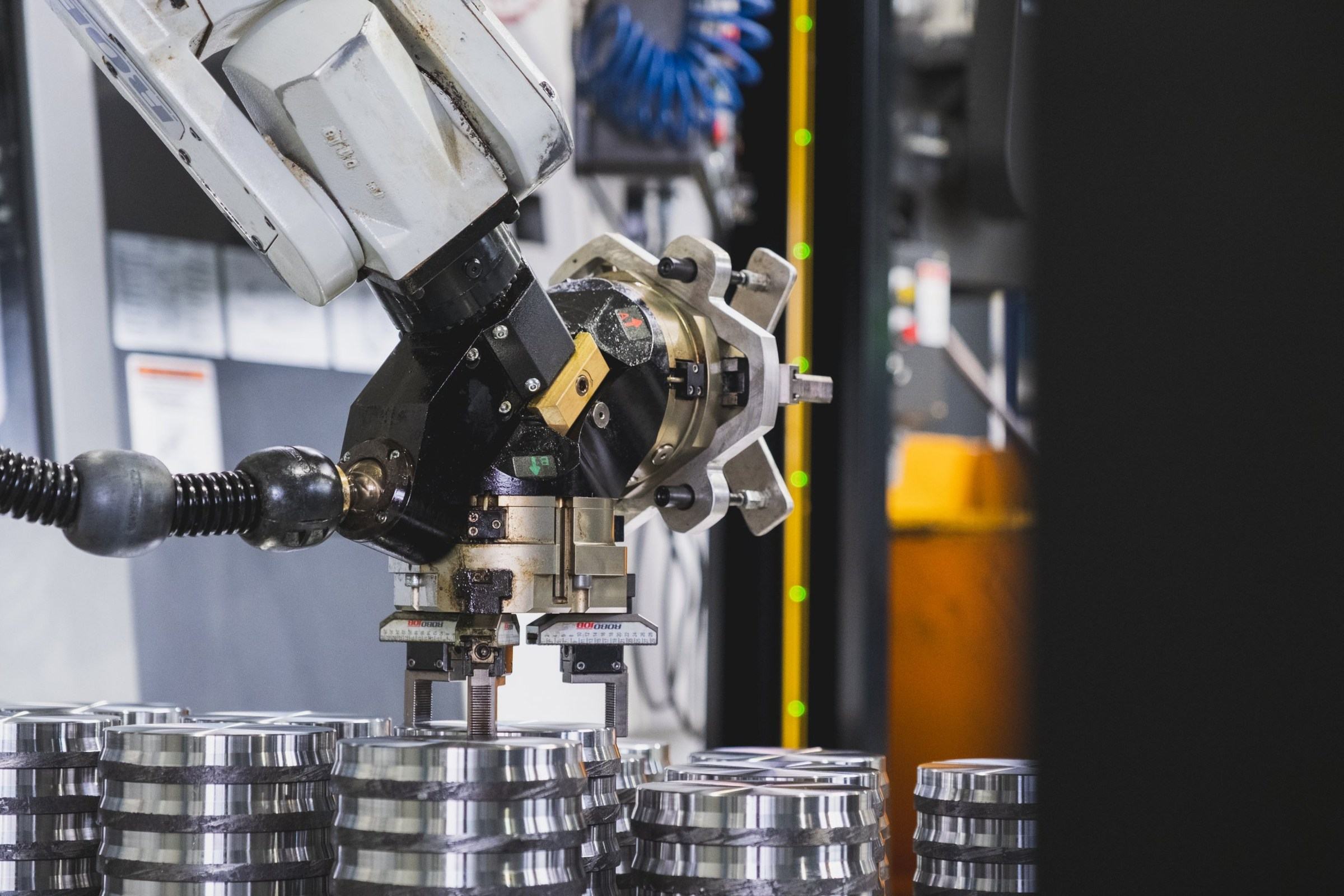
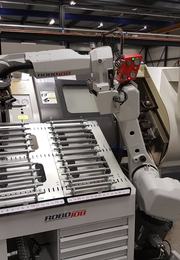
The operator places blanks on the parts table, on grid plates or studs, in the trays of a Tower or Wall, or on a positioning pallet. This can be done while the lathe is running.
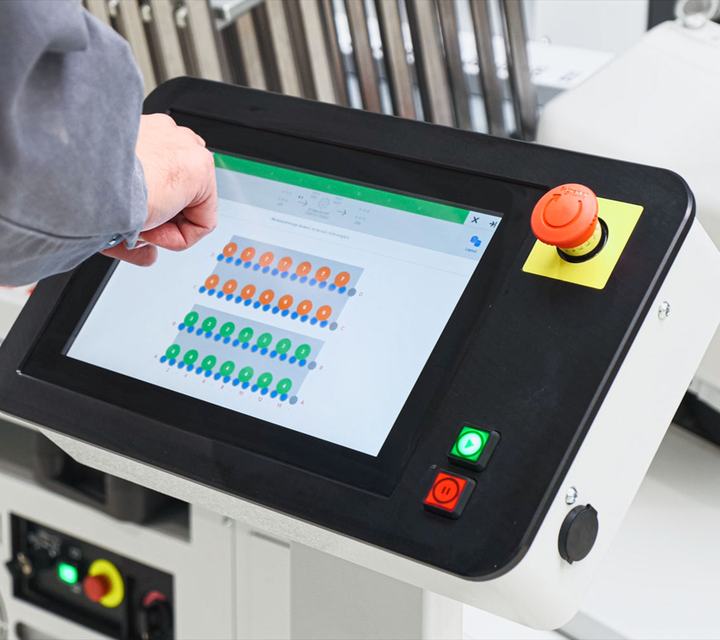
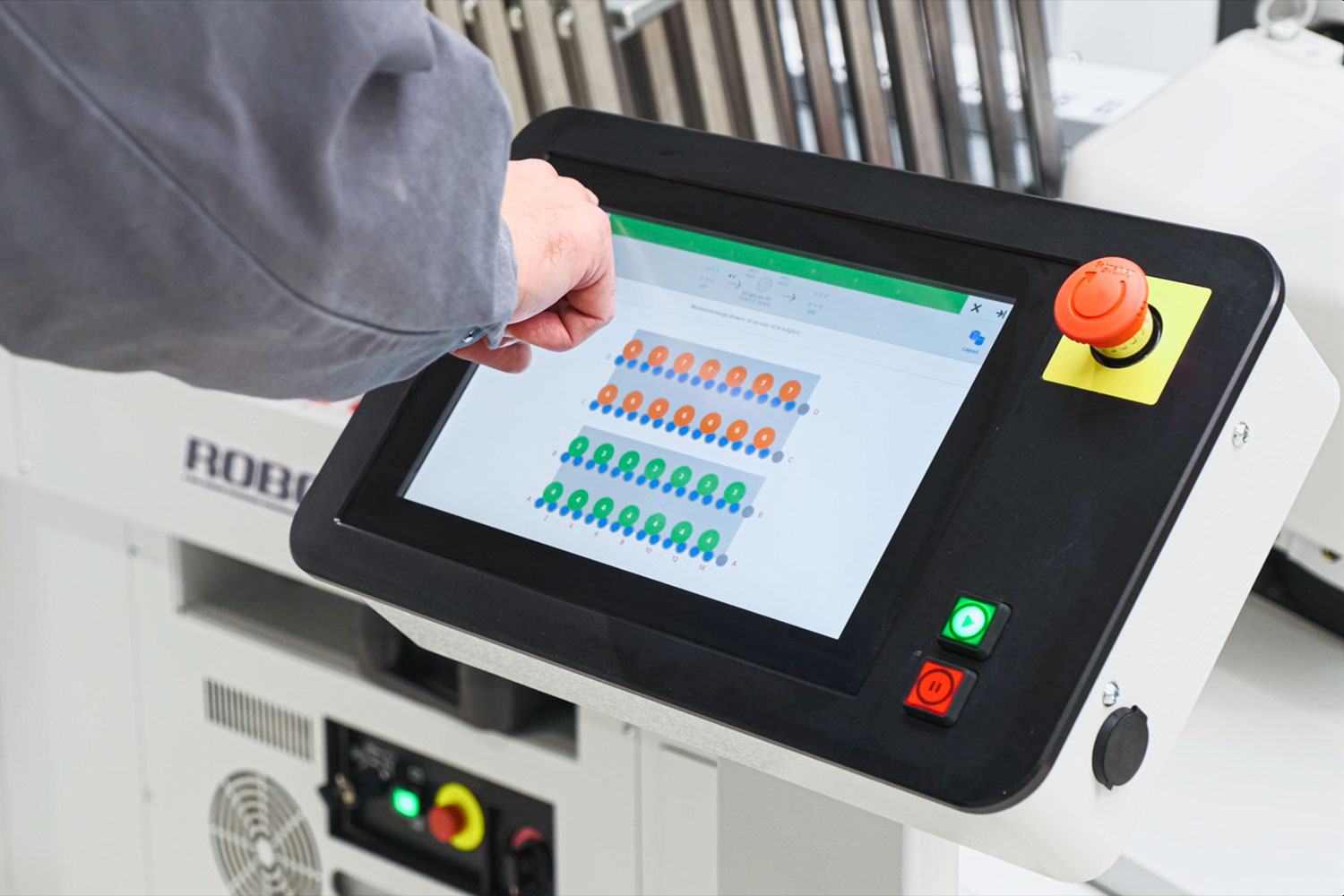
On the touchscreen, the operator enters the diameter and length of the blank, selects the gripper and the CNC program, and checks the 3D view of the blank on the table and in the gripper. Repeat orders start from a saved job.
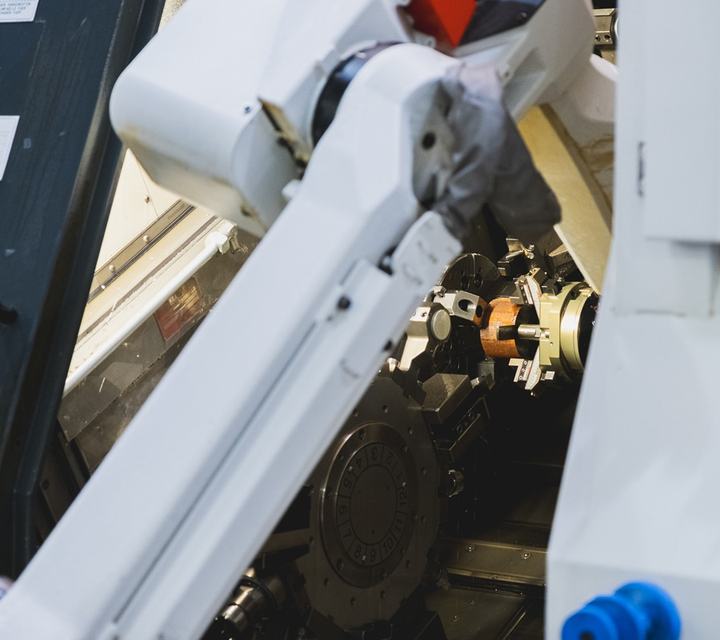
When the cycle ends, the door opens, the robot removes the turned part and places a new blank in the chuck. With a double gripper, both happen in one move.
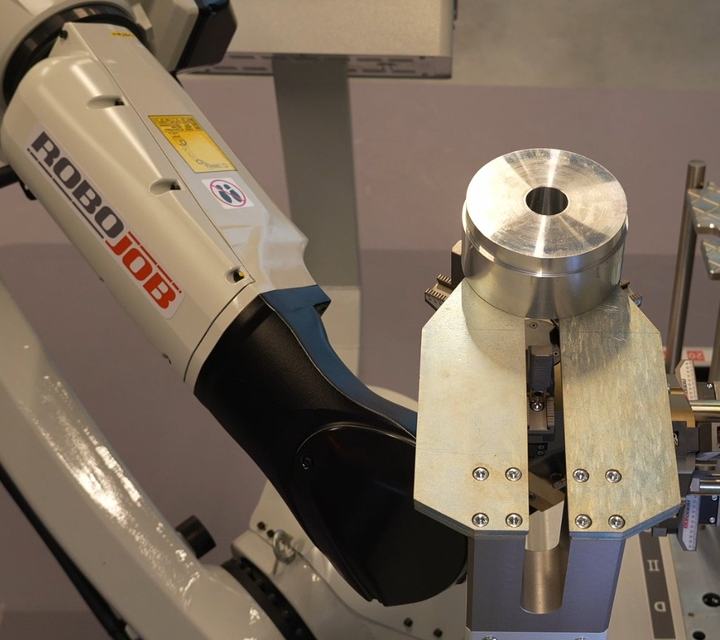
For parts that need machining on both sides, a flip-over unit turns the part so the robot can load it for the second operation.
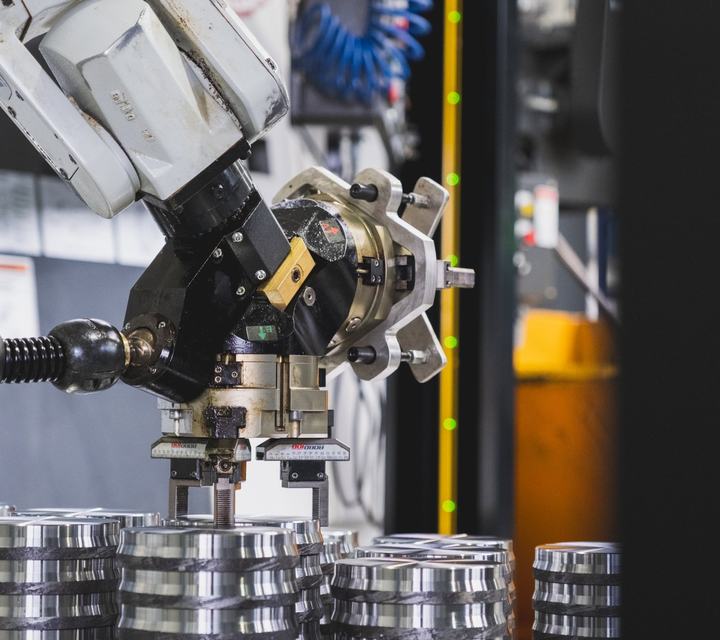
Turned parts go back to their place on the table or in the tray, or are stacked on a wooden Euro pallet, ready for deburring, measuring or the next machine.
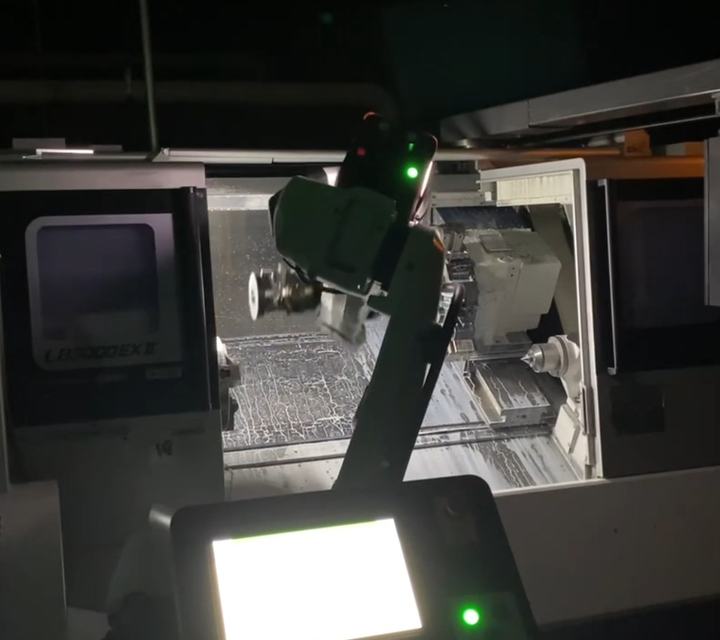
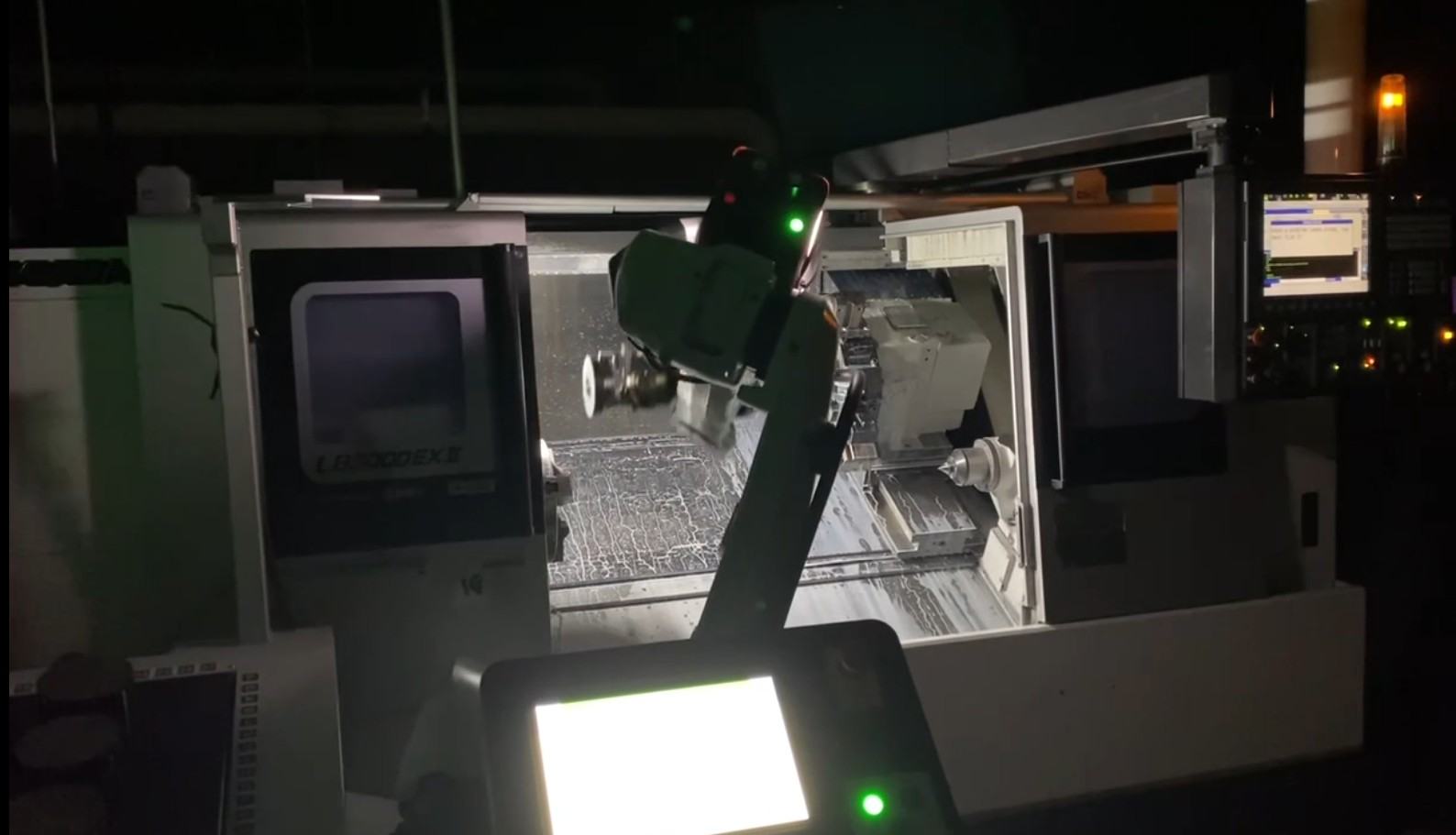
Refill blanks and take out turned parts when it suits your schedule. With enough blanks on board, the lathe keeps turning through the night and the weekend.
Which lathes can a robot load?
Before a robot can load your lathe, three things must be in place: a robot interface for the signals between lathe and robot, an automatic door, and a chuck or collet that clamps automatically. If your lathe lacks one of them, your machine supplier or RoboJob adds it, also on older lathes.
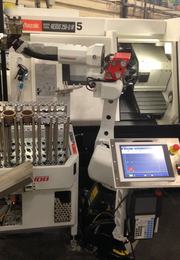
The robot loads blanks into the chuck and unloads turned parts. Typical solutions: Turn-Assist, Tower, Pallet-Load and Coby CNC.
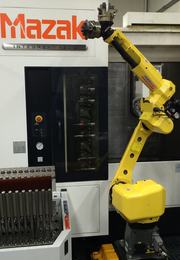
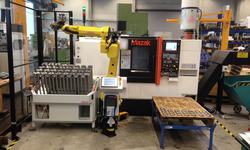
Parts that are turned and milled on one machine, such as on a Mazak Quick Turn, are loaded the same way. NEXTec+ runs three Mazak QTN 250 lathes with Turn-Assist 250 cells.
Mill-turn machines such as the Mazak Integrex, Okuma Multus or DMG MORI NTX can be loaded by a robot too.
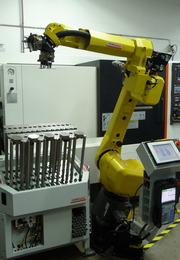
With the Shaft Handling module, the robot picks shafts from shaft caliber frames and loads them into the lathe. Available on Turn-Assist and Tower.
RoboJob automates lathes from Mazak, Okuma, DMG MORI, Haas, DN Solutions, Nakamura-Tome, Emco, Hwacheon, Biglia, Index Traub and many more.
Tower and Wall can tend lathes and milling machines with one system, also of different brands. Read how a robot loads your milling machines, or see the overview of CNC machine tending.
Which RoboJob system fits your lathe?
The right system depends on your part weight, batch sizes and how long the lathe should run unattended.
- Turn-Assist: the specialist for CNC lathes, from small series to larger batches. 12, 25, 35 or 70 kg robot, workpieces from 6 to 42 kg. Patented stacking table; models Essential Mini, Essential, 200 and 270. A new job is ready in less than 5 minutes.
- Tower: for high-mix production and long unattended runs, on up to two lathes or turning and milling machines. 35 or 165 kg robot, workpieces up to 24 or 113 kg. Up to 14 m² of storage in adjustable trays.
- Pallet-Load: for heavy or large blanks in larger batches. 35 or 165 kg robot, workpieces up to 24 or 113 kg. Raw parts on a positioning pallet, finished parts back on the pallet or on a wooden pallet.
- Wall: for several lathes, each with its own robot, from one central storage. 35 or 165 kg robot, workpieces up to 24 or 113 kg.
- Coby CNC: a cobot for small, light parts up to 4 kg and small batches. No fencing or scanners needed, and it moves between machines.
Turn-Assist loads blanks from 6 to 42 kg, depending on the robot size. For heavier blanks, Tower, Wall and Pallet-Load go up to 113 kg on the standard systems. These are net workpiece weights, with the weight of the gripper already subtracted.
Choose Turn-Assist when you want to automate a single lathe with a compact cell and fast job changes. Choose Tower when you need large storage for long unattended runs, many different jobs, or one system for two machines.
Explore our lathe automation systems
-

Turn-Assist
A smart, flexible system that streamlines the loading and unloading of CNC lathes.
-

Tower
The ultimate automation for turning and milling machines - swapping fixtures, jaws, collets, and workpieces faster than you can say ‘automation genius’.
-

Pallet-Load
A reliable automation solution designed to efficiently load and unload CNC machines from and to a pallet.
-

Wall
A revolutionary modular automation system that simplifies CNC machine loading with maximum space efficiency.
-

Coby CNC
The compact, safety-first co-worker that makes your first step into CNC automation feel like a walk in the park.
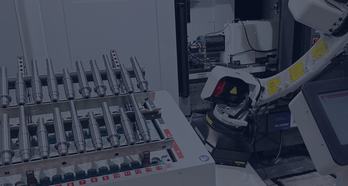
From short discs to long shafts
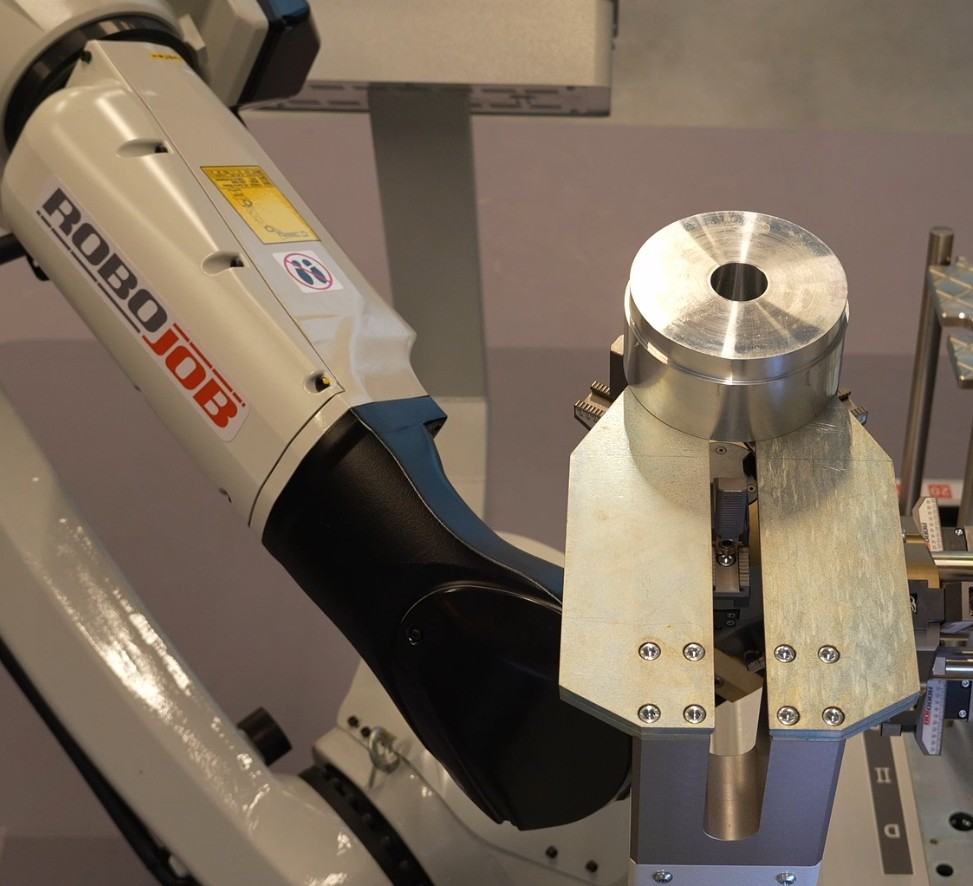
The robot handles short discs, flanges and long shafts. Heavy blanks come straight from a pallet.
Shafts, pallets and second operations
Shafts rest on two shaft calibers in a shaft caliber frame, on a tray, a pallet or a stacking table. The robot picks them one by one and loads them into the lathe.
Heavy blanks come straight from a positioning pallet, and turned parts are stacked on a standard wooden Euro pallet. Nobody has to lift parts at the lathe, and the lathe can run longer without an operator.
The flip-over unit turns the part, so the robot can load it again for machining the second side. Both operations run without an operator.
What does lathe automation deliver?
The return on lathe automation comes from extra spindle hours on lathes you already own. Every hour the lathe turns unattended is capacity you did not have to buy or staff.
A simple example: a lathe that runs one 8-hour shift, 5 days a week, cuts about 40 hours a week. If a robot keeps it running for 8 more hours each evening and night, that becomes 80 hours: twice the output from the same lathe. The real figure depends on your cycle times, batch sizes and how many blanks the system can hold.
What changes in your shop
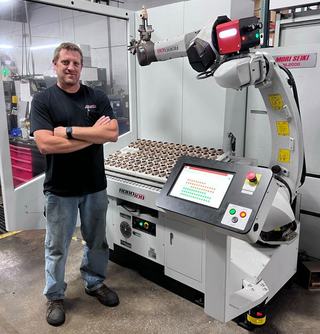
Automating a lathe changes more than the number of spindle hours. It changes how your team works and how you plan production.
Longer production days. The lathe keeps turning during breaks, in the evening and at night. NEXTec+ went from 16 to 20 production hours a day.
Operators do more valuable work. One operator supervises several lathes and spends time on programming, set-up and quality control instead of loading blanks.
Small series become profitable. A new job is set up in about 5 minutes, and saved jobs can be recalled for repeat orders. NEXTec+ now produces 25% of its orders unmanned.
Fast start. A Turn-Assist is installed in 4 to 5 days. At Hetschel, the cell was installed in three days and ran unmanned on day four.
You know your payback upfront. The RoboJob ROI calculation shows the payback time for your own lathes, wages and shifts.
Lathe automation in practice
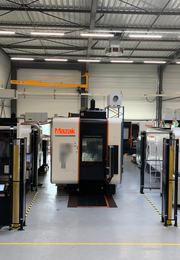
Subcontractor NEXTec+ runs three Mazak QTN 250 lathes with Turn-Assist 250 cells. Production rose from 16 to 20 hours a day, 25% of orders are produced unmanned, and the company won back orders from China.
Medical component maker Kammerer MedTec automated six Mazak machines with Turn-Assist and Pallet-Load, including five Integrex multitasking machines. Production runs 24 hours a day, 6 days a week, and unexpected orders are handled quickly without extra workload for operators.
Kart builder Hetschel automated a Mazak Integrex J-200S with a Turn-Assist 250. The cell was installed in three days and ran unmanned on day four, giving more output with the same team.
More customer stories
More than 2,000 robots in over 30 countries keep CNC machines running. Discover how other machine shops automated their lathes.
More customer stories
More than 2,000 robots in over 30 countries keep CNC machines running. Discover how other machine shops automated their lathes.
CNC lathe automation: frequently asked questions
What is CNC lathe automation?
CNC lathe automation means a robot loads blanks into the chuck or collet of a CNC lathe, unloads the turned parts and starts the next cycle. Automating a CNC lathe this way keeps it running without an operator, including at night and over the weekend.
Can I automate my existing lathe?
Yes, also older lathes. As long as the lathe can get a robot interface, an automatic door and an automatically clamping chuck or collet, a robot can load it. Your machine supplier or RoboJob adds whatever is missing.
Is lathe automation worth it for small batches?
Yes, if set-up is fast. On RoboJob systems a new job is set up in about 5 minutes on a touchscreen, without robot programming, and jobs can be saved for repeat orders. NEXTec+ produces 25% of its orders unmanned.
How heavy can the parts be?
Turn-Assist loads blanks from 6 to 42 kg, depending on the robot size. Heavier blanks, up to 113 kg on the standard systems, go on a Tower, Wall or Pallet-Load. Coby CNC handles small parts up to 4 kg. Larger robots are possible on request.
Can a robot load shafts into a lathe?
Yes. With the Shaft Handling module, shafts rest on shaft calibers in a frame, and the robot picks them one by one. The module is available on Turn-Assist and Tower.
Can the robot turn parts for the second side?
Yes. A flip-over unit turns the part, so the robot can load it again for the second operation. Both sides are machined without an operator.
How long does installation take?
A Turn-Assist is installed in 4 to 5 days. At Hetschel, installation took three days and the lathe ran unmanned on day four. A Tower or Wall, which often serves more than one machine, takes at least 2 weeks.
Which lathe brands can RoboJob automate?
RoboJob automates lathes from Mazak, Okuma, DMG MORI, Haas, DN Solutions, Nakamura-Tome, Emco, Hwacheon, Biglia, Index Traub and many other brands, new or existing.
Ready to automate your lathe?
Send us a drawing of your parts and the type of lathe. Our application engineers propose the right cell and send you an offer.
Let's meet
Want to know which system fits your lathe?
Get in touch and explore the opportunities for your business.


Jan Van De Wouwer
Sales Manager

Austin Davis
Area Sales Manager
