5-axis CNC automation: keep your most valuable machine running
A robot loads parts or complete fixtures into your 5-axis machining centre, so complex parts keep coming off the machine at night and over the weekend.
What is 5-axis machine automation?
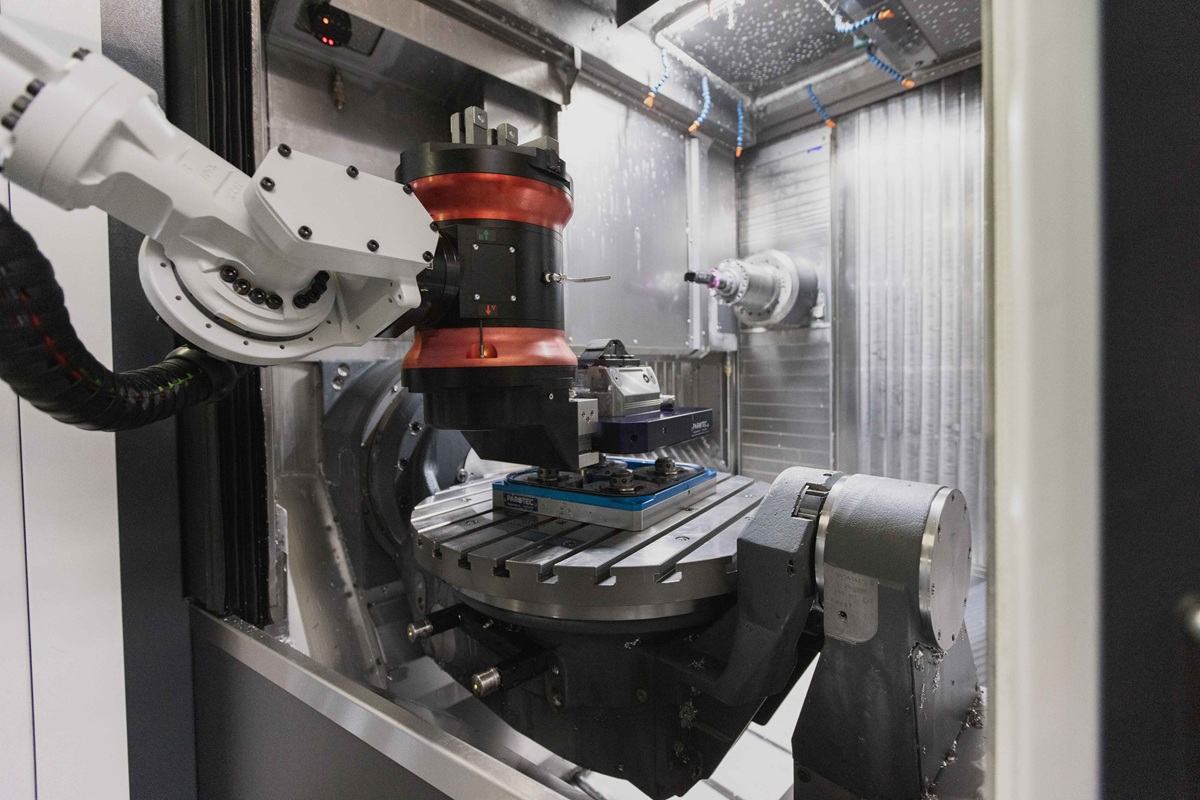
5-axis machine automation means a robot loads and unloads your 5-axis machining centre, so it can run without an operator. The robot places a part in the vice, or swaps a complete fixture on the zero point clamping system, and starts the next program.
A 5-axis machine is usually the most expensive machine in the shop, and the parts it makes take a long time to machine. Every hour it stands still costs more than on any other machine. That makes it the machine that pays back automation fastest.
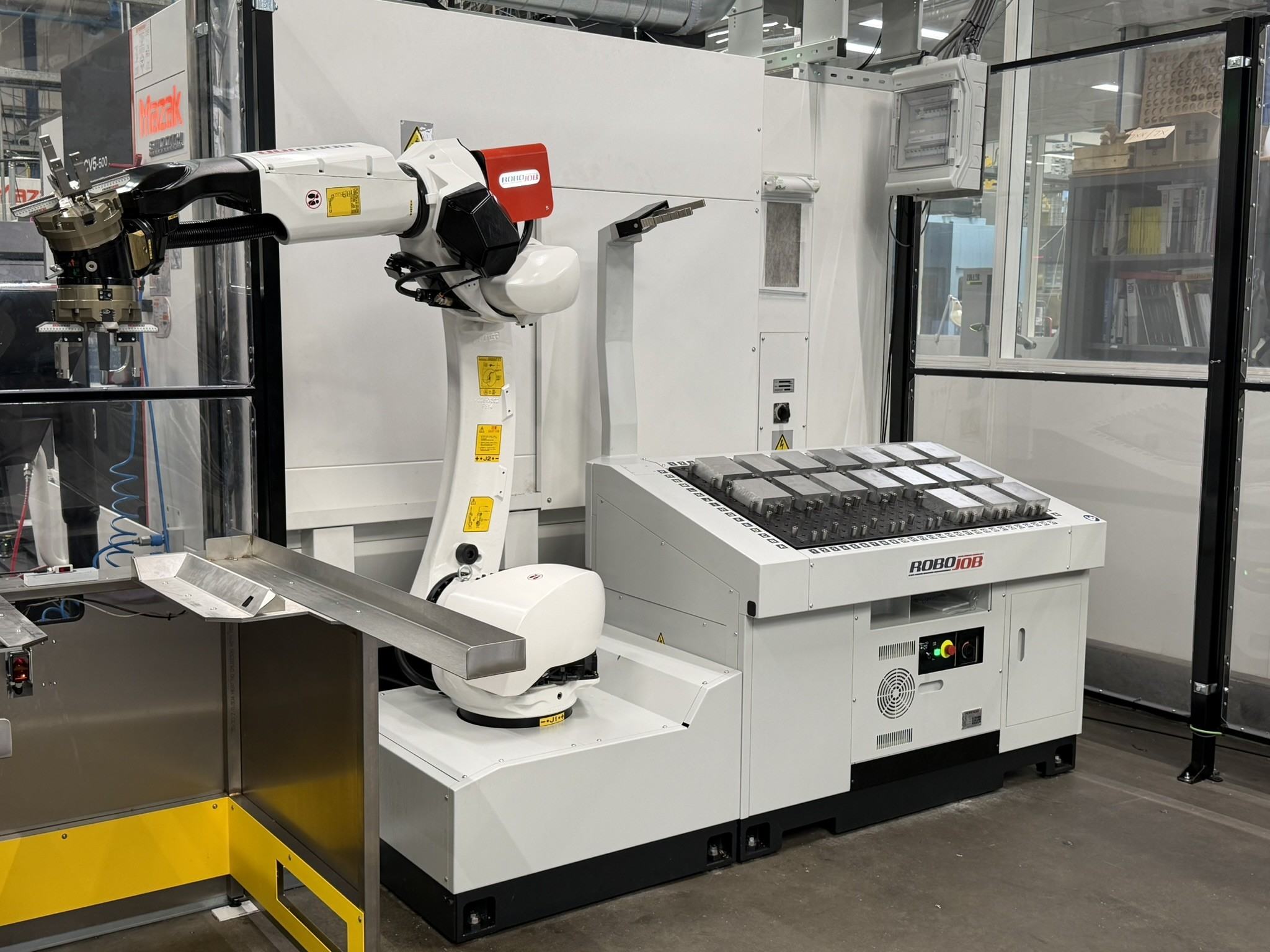
Because the robot can also exchange fixtures, one unattended run is not limited to a single part. FMO machines up to five different parts in one cycle on its automated Mazak CV5-500.
- Highest hourly rate: idle hours on a 5-axis machine are the most expensive hours in the shop.
- Long cycle times: a full table or tray can keep the machine busy all night.
- Complex parts in one set-up: no re-clamping between operations, so the robot only has to load once.
- Different parts per night: with fixture exchange, the robot changes over between jobs on its own.
- Skilled operators freed up: your best programmers spend their time on new parts instead of loading.
How a robot loads your 5-axis machine
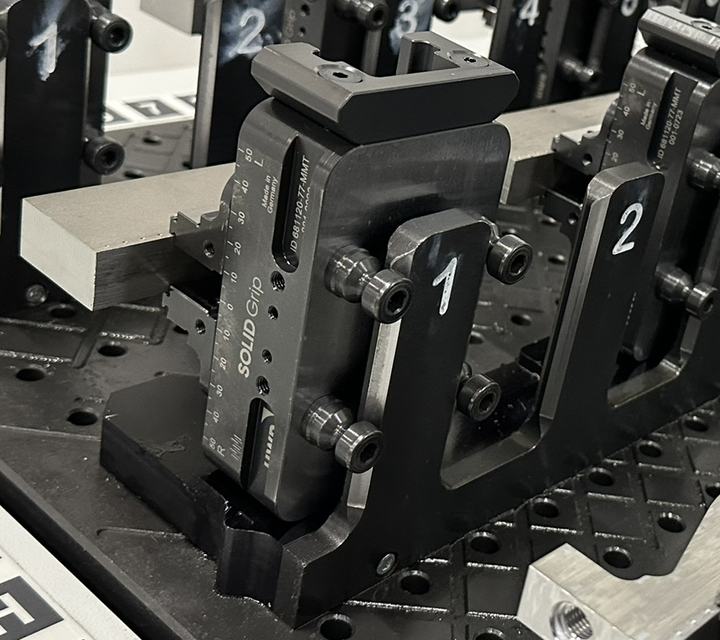
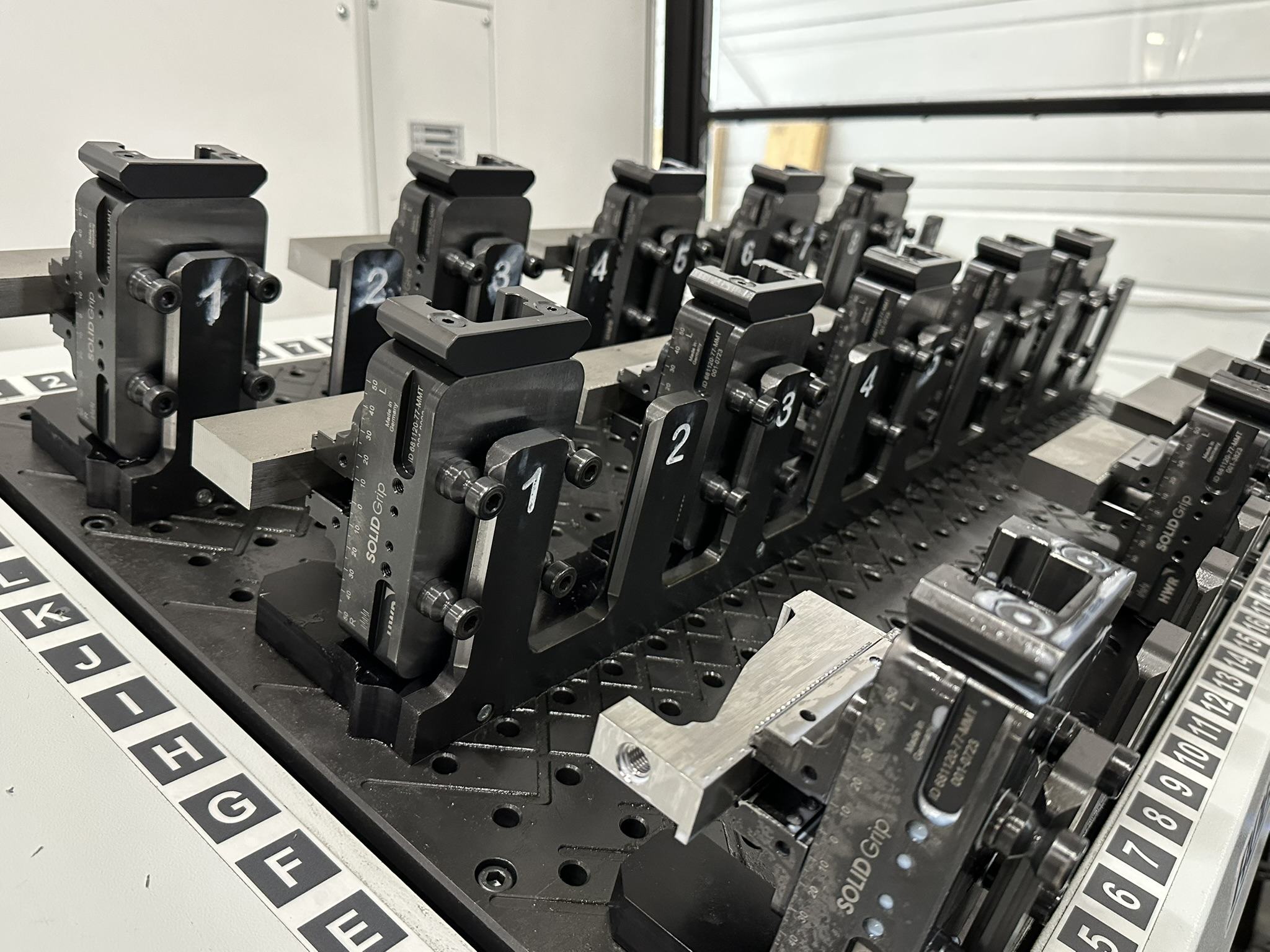
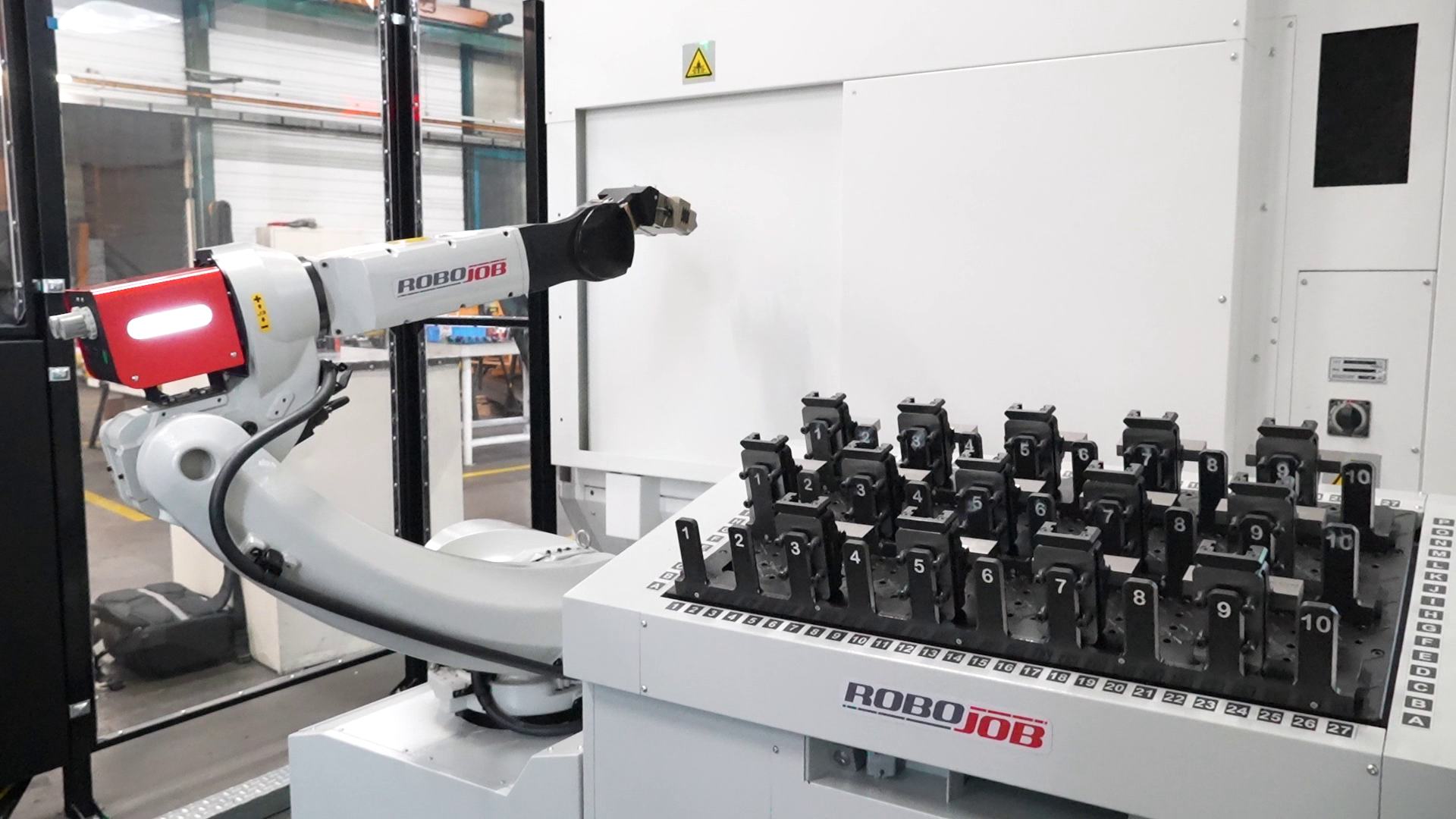
The operator lays out raw parts, or fixtures with parts already clamped, on the table or in the trays. Fixtures can be prepared outside the machine while it is cutting.
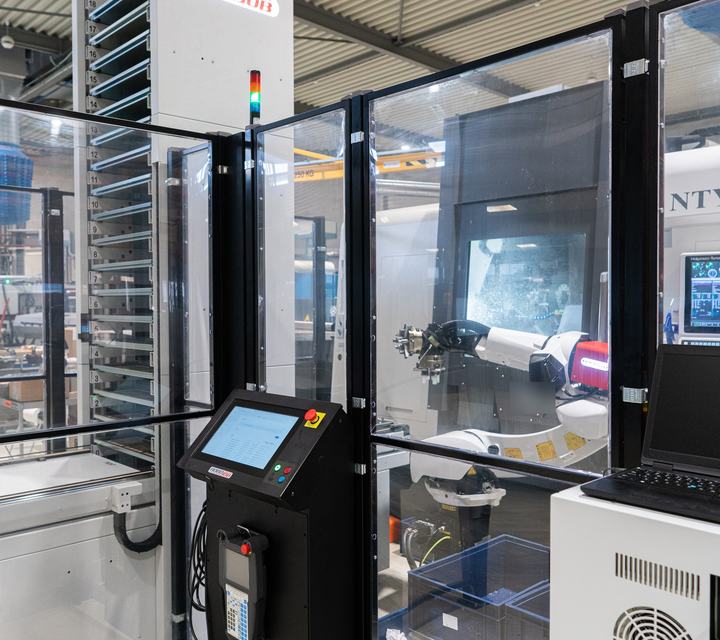
The operator selects the CNC program per part and the order of the jobs. For a mixed run, each fixture gets its own program, so the robot knows what to load next.
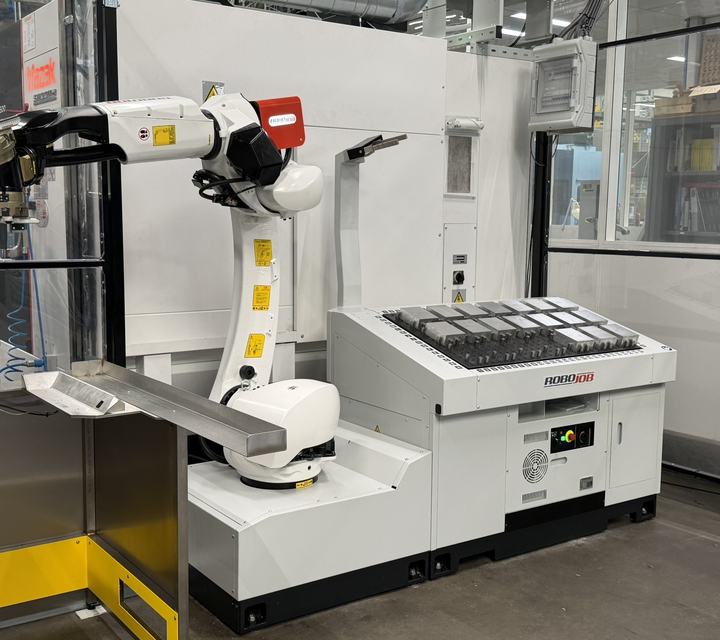
At the end of a cycle, the door opens, the robot takes out the finished part or fixture and loads the next one onto the table of the machining centre.
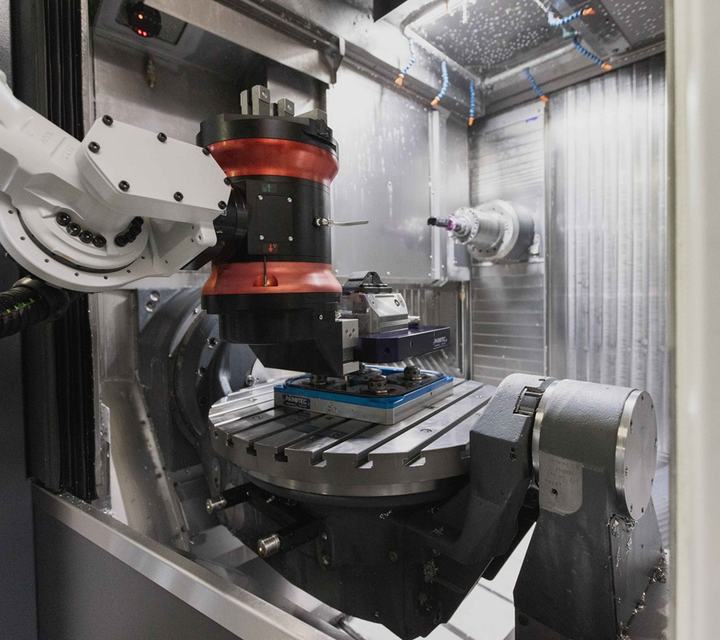
The zero point clamping system positions each fixture or vice to the same reference, so the 5-axis program runs without manual alignment.
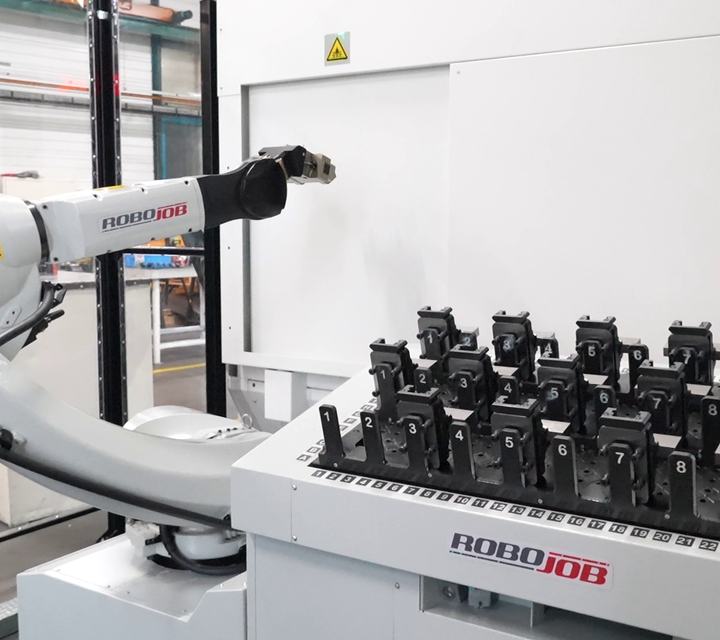
With fixture exchange, the robot moves from one part to the next without an operator. FMO runs up to five different parts in one cycle.
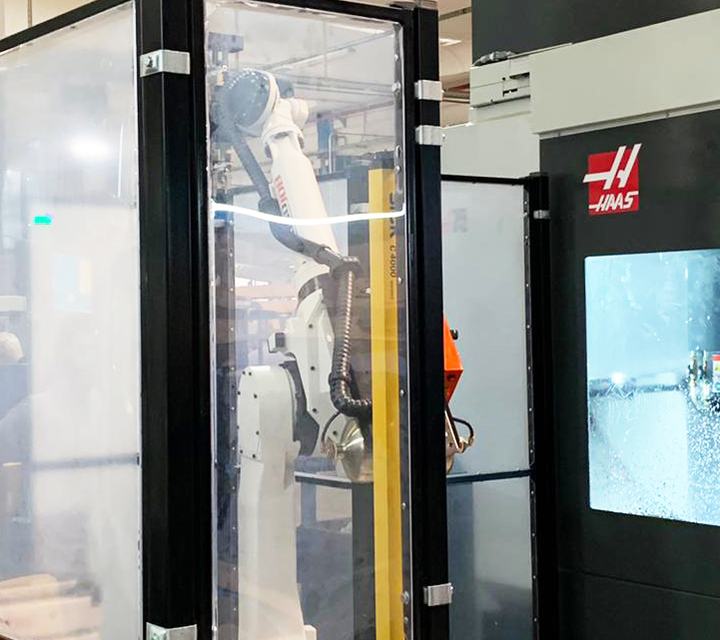
Long cycle times and a full store of parts keep the machine running through the night and the weekend.
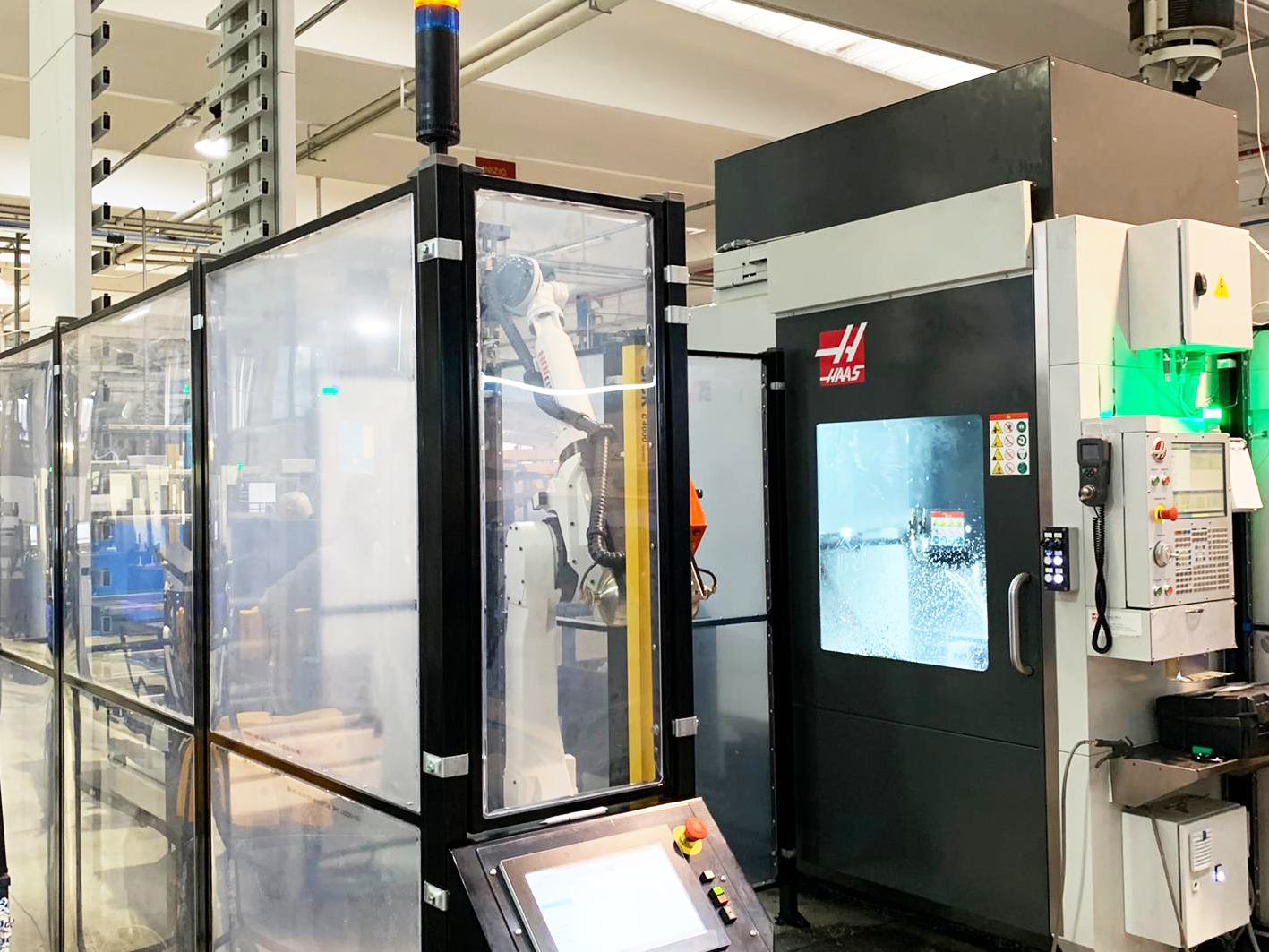
Which 5-axis machines can a robot load?
Most 5-axis machining centres can be automated, new or existing. The machine needs a robot interface, an automatic door and a vice or zero point clamping system that clamps automatically. Your machine supplier or RoboJob adds what is missing.
RoboJob customers automate 5-axis machines such as the Mazak CV5-500 (FMO, Boers & Co, Kammerer MedTec), the Hermle C 250 (KS Metaalwerken), the OKK VC-X 350 (Usiduc) and the Haas UMC-750.
Loading individual parts into an automatic vice suits series of the same part. Exchanging complete fixtures suits high-mix work and parts that need a dedicated fixture. Many shops combine both.
A 5-axis machine is a special case of a milling machine. For 3-axis and horizontal machining centres, see CNC milling automation. For lathes and mill-turn machines, see CNC lathe automation.
Which RoboJob system fits your 5-axis machine?
For 5-axis work, storage capacity and the ability to handle fixtures matter most.
- Mill-Assist with Fixture Exchange: a compact cell that loads parts as well as fixtures. FMO and Usiduc automate their 5-axis machines this way.
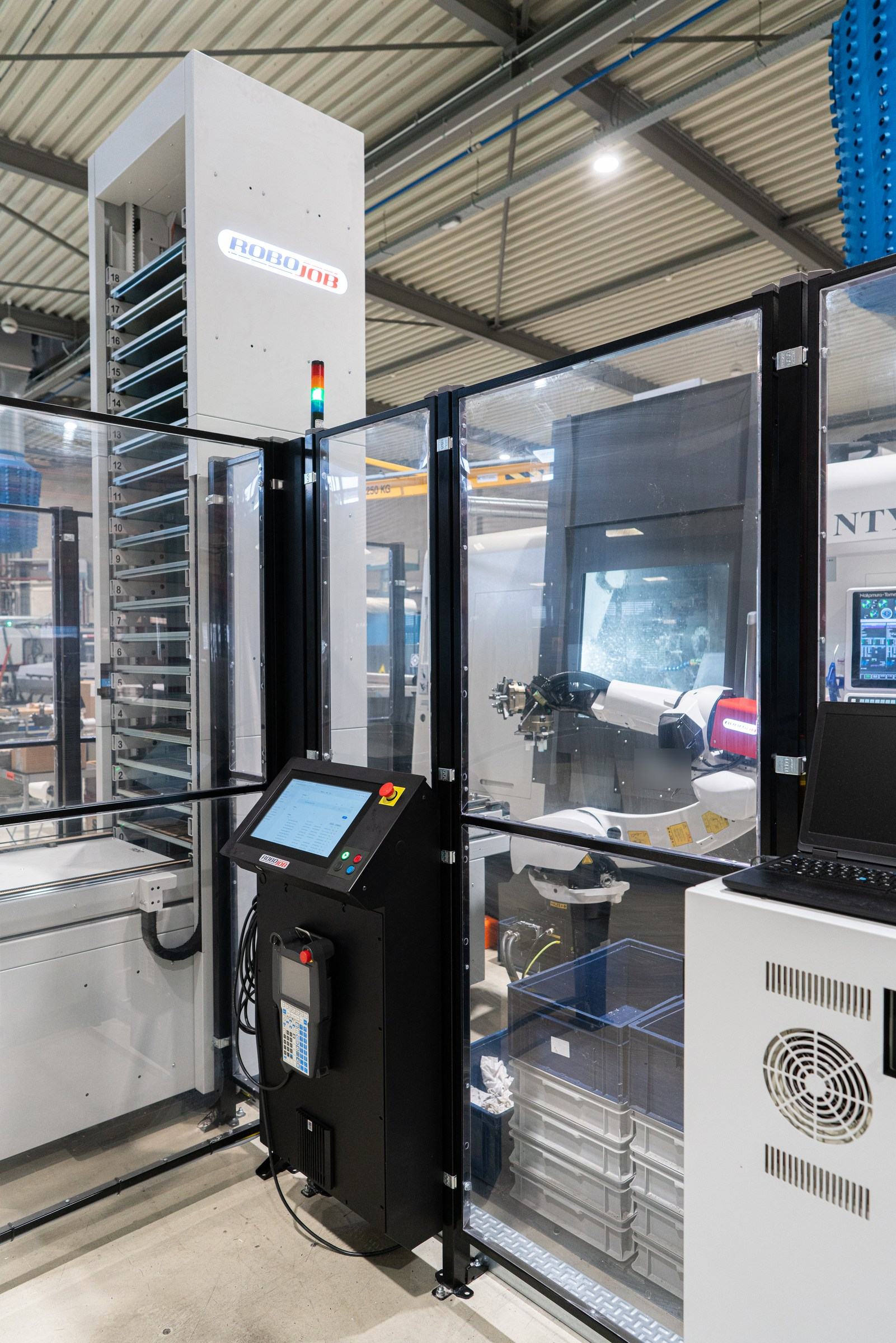
- Tower: large storage for parts, fixtures and tools in adjustable trays, for long unattended runs and many different jobs. KS Metaalwerken runs a Hermle C 250 with a Tower.
- Wall: one central storage for several 5-axis machines, each with its own robot.
- Pallet-Load: for heavy parts in larger series, straight from a positioning pallet. Kammerer MedTec loads its Mazak CV5-500 this way.
Workpiece weights range from 6 to 42 kg on Mill-Assist and up to 113 kg on Tower, Wall and Pallet-Load, depending on the robot.
Choose a Mill-Assist with Fixture Exchange to automate one 5-axis machine with a small footprint. Choose a Tower when the machine has to run for days, when you need many fixtures and tools close at hand, or when one system has to serve two machines.
Systems for 5-axis automation
-

Mill-Assist
A compact, versatile solution that automates CNC milling machine loading with speed and precision.
-

Tower
The ultimate automation for turning and milling machines - swapping fixtures, jaws, collets, and workpieces faster than you can say ‘automation genius’.
-

Wall
A revolutionary modular automation system that simplifies CNC machine loading with maximum space efficiency.
-

Pallet-Load
A reliable automation solution designed to efficiently load and unload CNC machines from and to a pallet.
Different parts in one unattended run
The robot swaps fixtures between jobs, so one night can produce several different 5-axis parts.
Fixtures, clamping and changeovers
The fixture or vice always lands on the same reference point, so the robot can change it without anyone re-measuring. RoboJob or your machine supplier can equip the machine with a zero point clamping system.
A custom gripper matches the interface of your fixtures, such as HWR, Schunk or SMW. Fixtures can be loaded empty or with a part already clamped.
On a Tower, the robot can also exchange its own grippers, jaws and tools, so jobs with different requirements run one after another without stopping.
What does 5-axis automation deliver?
A week has 168 hours. A 5-axis machine that runs one 8-hour shift, 5 days a week, cuts for 40 of them and stands still for the other 128.
Every unattended hour you add is capacity on your most valuable machine, without buying a second one. Usiduc runs its automated 5-axis OKK machine for up to 60 hours without an operator.
What changes for your 5-axis work
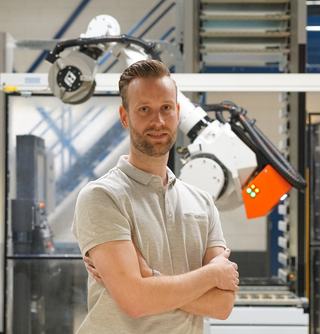
Automating a 5-axis machine changes which jobs you can take on, not only how many hours the machine runs.
Complex parts at night. Long 5-axis programs run while nobody is in the shop, and the machine is free for set-ups and new parts during the day.
High-mix becomes possible unattended. With fixture exchange, FMO machines up to five different parts in one cycle.
New markets. The automated Mazak CV5-500 helped FMO win its first large order from the nuclear industry.
Better ergonomics. At Usiduc, the robot handles the heavy parts, so operators no longer lift them into the machine.
Your experts do expert work. Programmers and set-up specialists spend their time on new parts instead of loading.
5-axis automation in practice
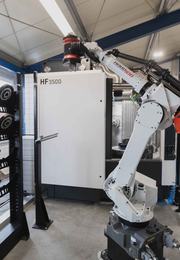
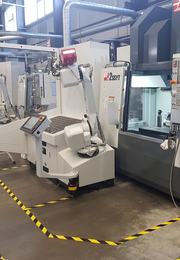
Press tool maker FMO automated its Mazak CV5-500 five-axis machining centre with a Mill-Assist Essential and the Fixture Exchange module. The cell loads both workpieces and HWR fixtures, machines up to five different parts in one cycle and runs unmanned at night.
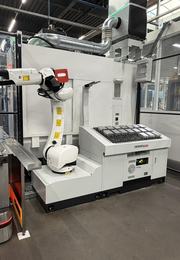
Multi-material specialist Usiduc automated a 5-axis OKK VC-X 350 with a Mill-Assist Essential. The machine runs for up to 60 hours without an operator, and the robot takes over the heavy lifting.
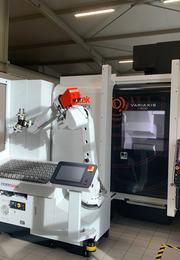
Subcontractor KS Metaalwerken automated a Hermle C 250 with a Tower, next to three Turn-Assist cells on Mazak lathes. The robots take over the series work, so the operators focus on programming and one-off parts.
More customer stories
Discover how other machine shops automated their machining centres, from 3-axis to 5-axis and mill-turn.
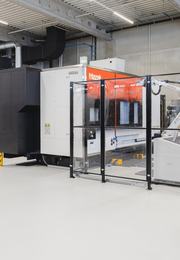
More customer stories
Discover how other machine shops automated their machining centres, from 3-axis to 5-axis and mill-turn.
5-axis CNC automation: frequently asked questions
Can a robot load a 5-axis machining centre?
Yes. A robot can load parts into the automatic vice of a 5-axis machine, or exchange complete fixtures on its zero point clamping system. RoboJob customers automate 5-axis machines from Mazak, Hermle, OKK, Haas and other brands.
Do I need a zero point clamping system?
For exchanging fixtures, yes: the zero point clamping system makes sure every fixture ends up on the same reference. For loading parts into a fixed automatic vice, it is not required. RoboJob can equip the machine with one.
Can I run different parts in one unattended run?
Yes, with the Fixture Exchange module. The robot swaps fixtures between jobs, and each fixture has its own CNC program. FMO machines up to five different parts in one cycle this way.
Which fixture interfaces are supported?
The robot gripper is adapted to the interface of your fixtures, such as HWR, Schunk or SMW. Fixtures can be loaded empty or with a part already clamped.
How long can a 5-axis machine run unattended?
That depends on cycle times and how many parts or fixtures the system holds. Usiduc runs its automated 5-axis machine for up to 60 hours. A Tower offers the most storage for long runs.
Which RoboJob system is best for a 5-axis machine?
A Mill-Assist with Fixture Exchange is the compact choice for one machine. A Tower suits long runs, many fixtures and tools, or two machines. A Wall serves several machines from one storage.
Can I automate my existing 5-axis machine?
Yes, if it can get a robot interface, an automatic door and automatic clamping. Your machine supplier or RoboJob adds whatever is missing, so a 5-axis machine already in your shop can be automated too.
Ready to automate your 5-axis machine?
Tell us which 5-axis machine you run and which parts and fixtures you use. We will show you how a robot can keep it running unattended.
Let's meet
Want to know how to automate your 5-axis machine?
Get in touch and explore the opportunities for your business.


Jan Van De Wouwer
Sales Manager

Austin Davis
Area Sales Manager
