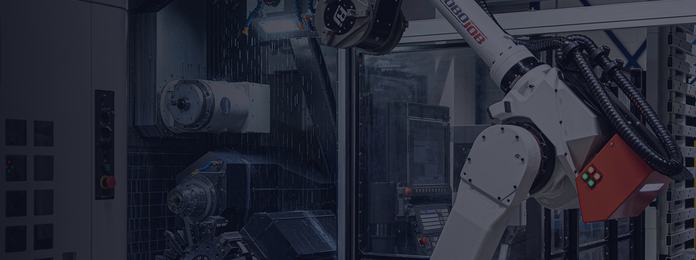
CNC pallet automation: let a robot exchange your fixture pallets
A robot loads fixture pallets onto the zero point clamping system of your machining centre and stores the finished ones, so different jobs run one after another without an operator.
What is CNC pallet automation?
In CNC machining, pallet automation means a robot exchanges fixture pallets in your machining centre. A fixture pallet carries the vice or fixture with the part clamped on it. The robot picks it from storage, docks it on the zero point clamping system of the machine, and takes it out again when the program is done.
The term is also used for loading raw parts from a Euro pallet. That is a different solution, which RoboJob offers as Pallet-Load and Pallet-Unload. This page is about fixture pallets on the machine table.
Palletised machining separates set-up from machining. Operators clamp parts on fixture pallets outside the machine, while the robot keeps the machine supplied, also at night.
- Many different jobs: every fixture pallet carries its own job, so changeovers happen without an operator.
- Parts that need a dedicated fixture: the robot handles the fixture, not the part.
- Long unattended runs: a store full of prepared fixture pallets keeps the machine busy for days.
- Set-up outside the machine: clamping happens while the spindle keeps cutting.
How robotic pallet exchange works
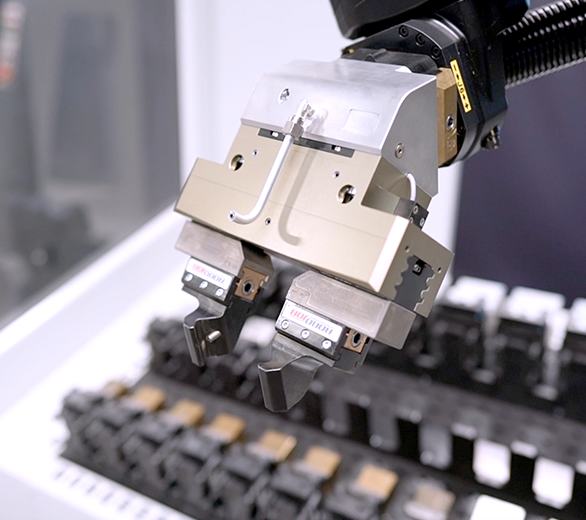
Operators clamp raw parts on fixture pallets outside the machine, at a load station or workbench, while the machining centre keeps running.
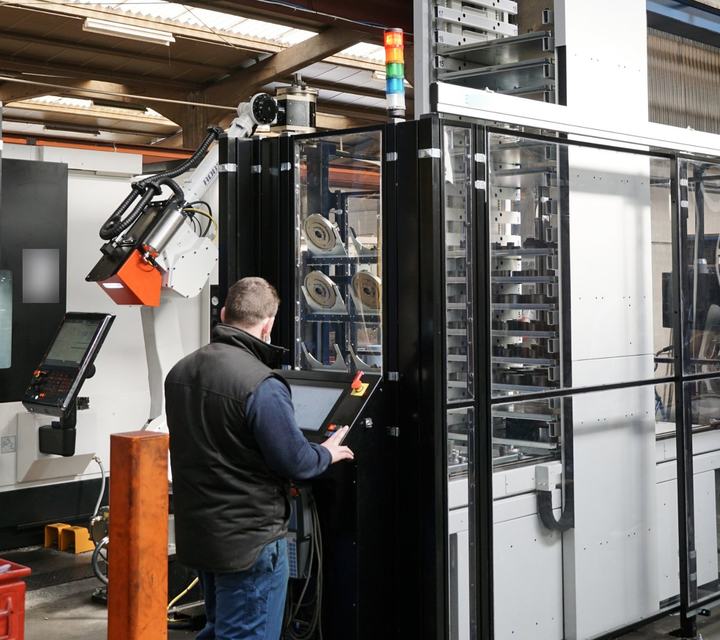
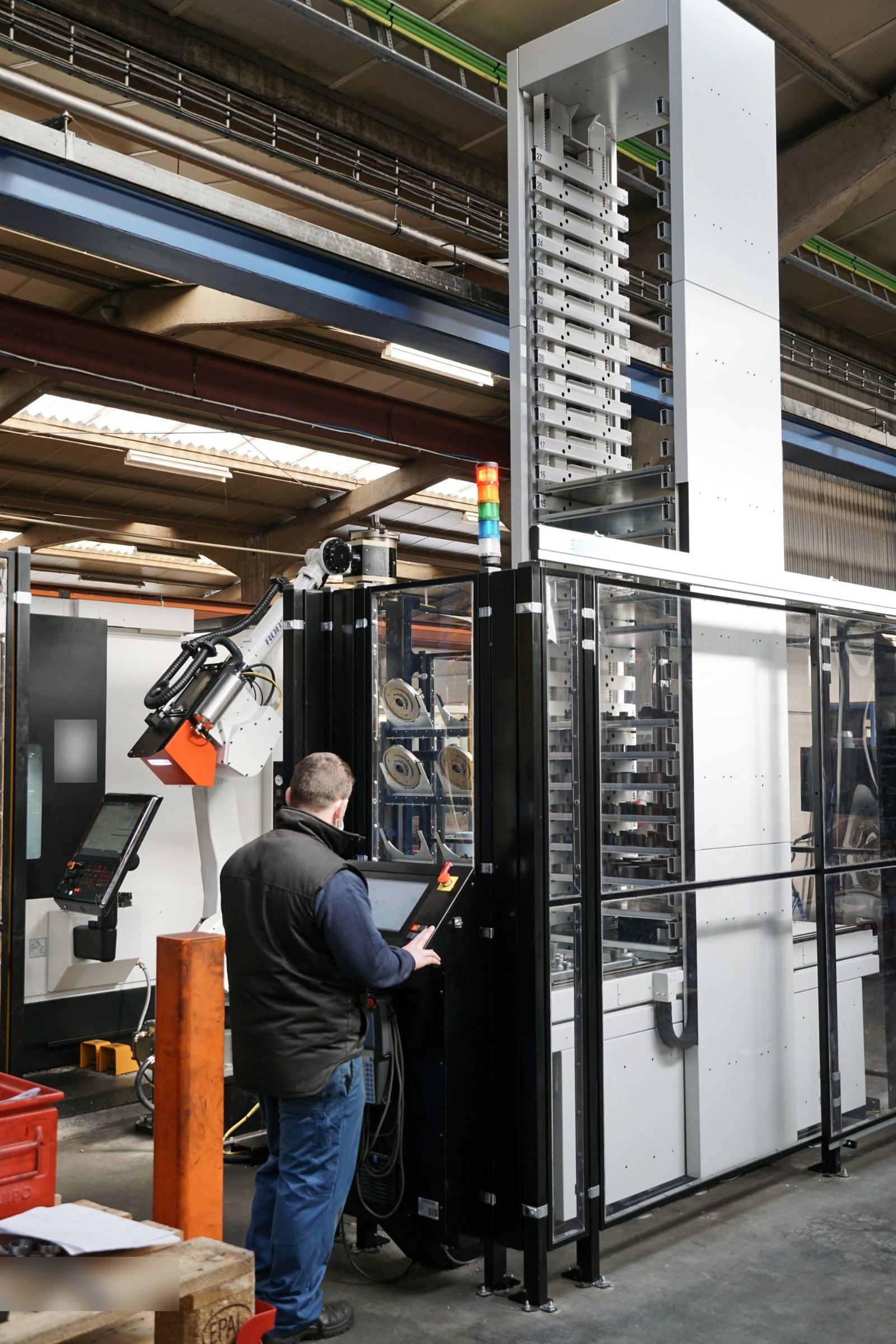
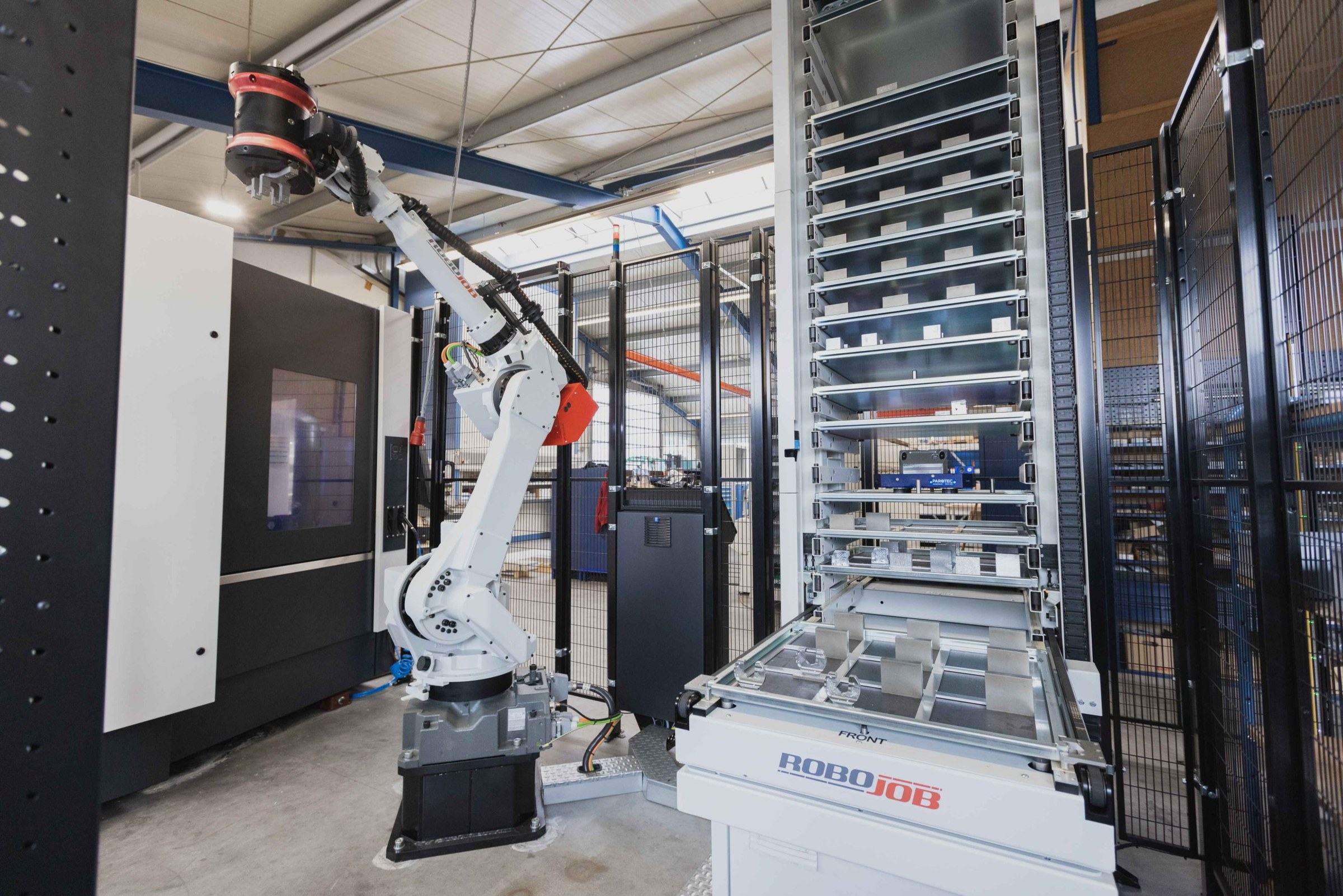
Each fixture pallet is linked to its CNC program on the touchscreen and placed in a tray of the Tower or Wall, or on the table of a Mill-Assist.
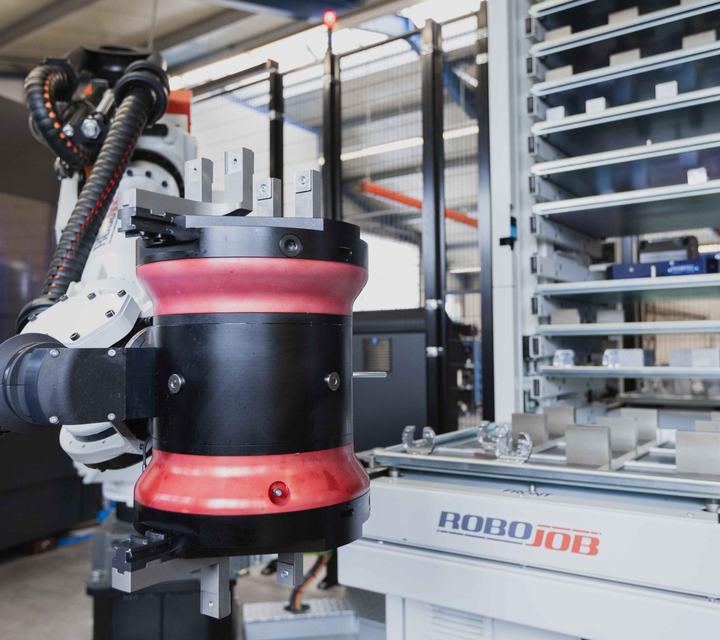
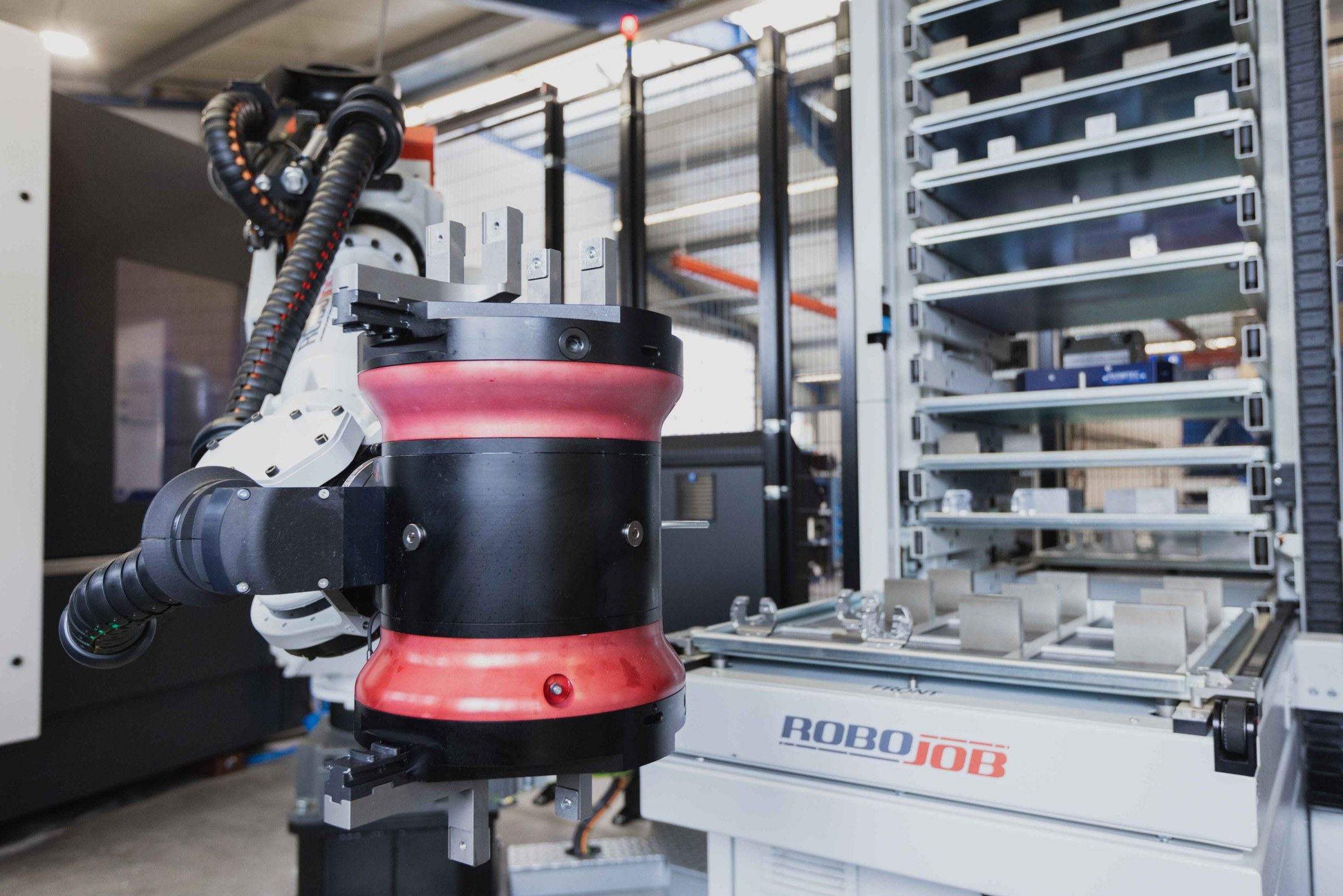
When the machine finishes, the robot changes to its pallet gripper and picks the next fixture pallet from storage.
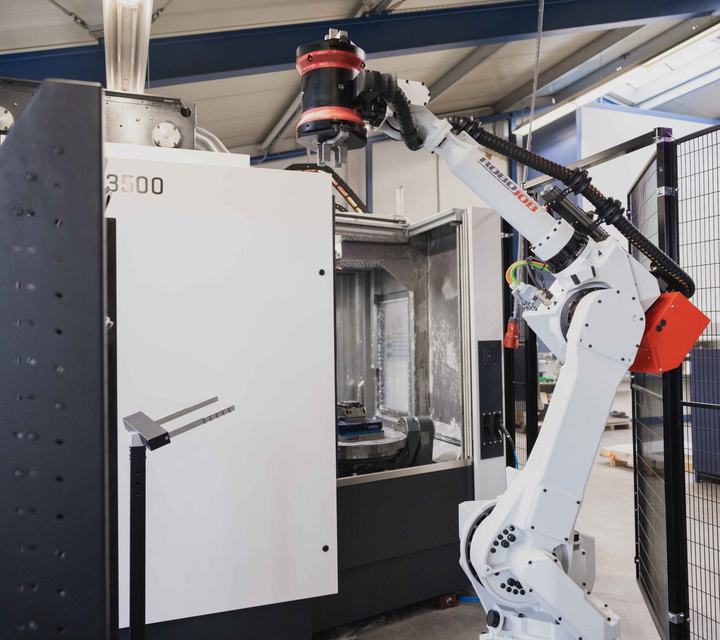
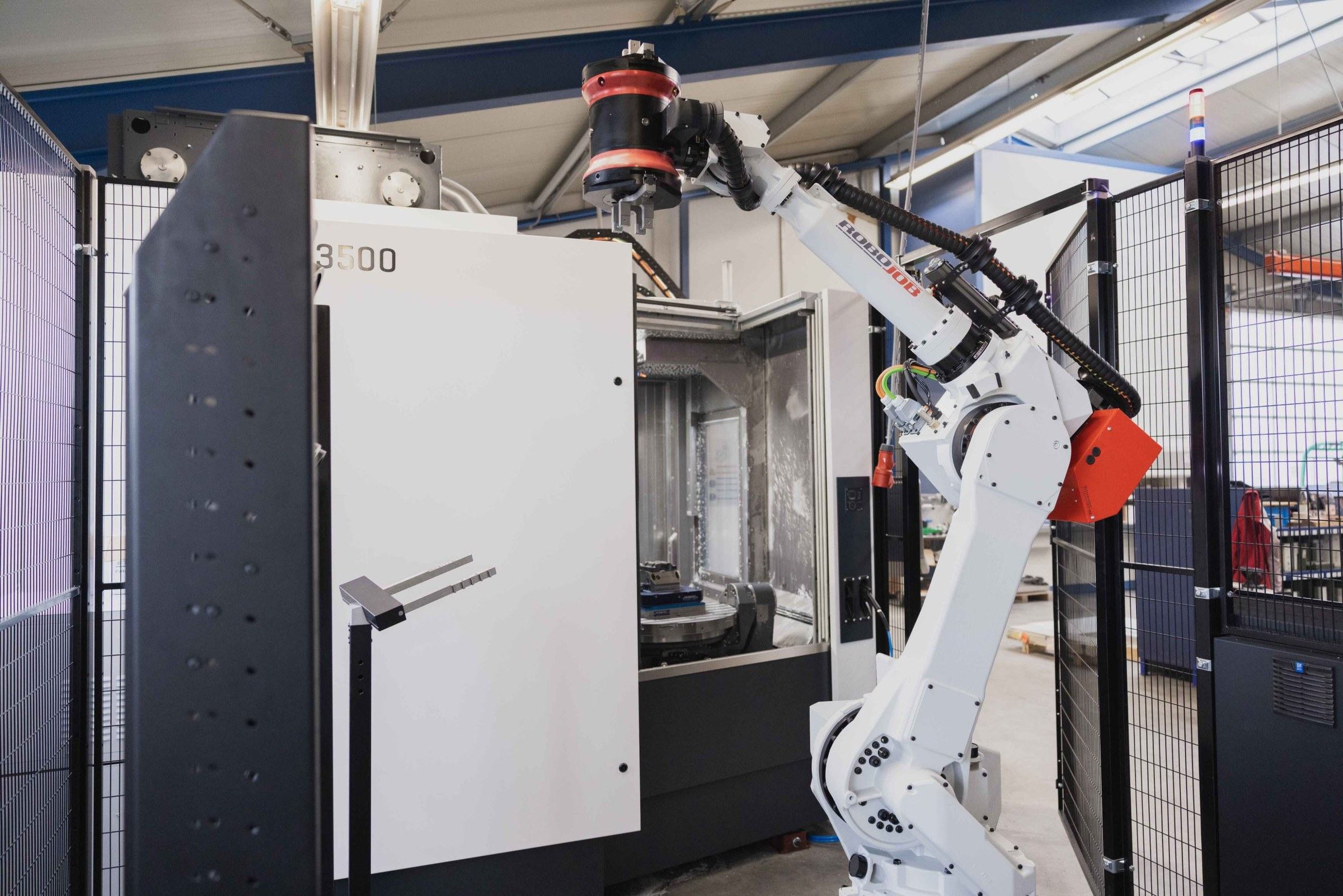
The robot places the fixture pallet on the zero point clamping system. The machine clamps it on the same reference every time and starts the program.
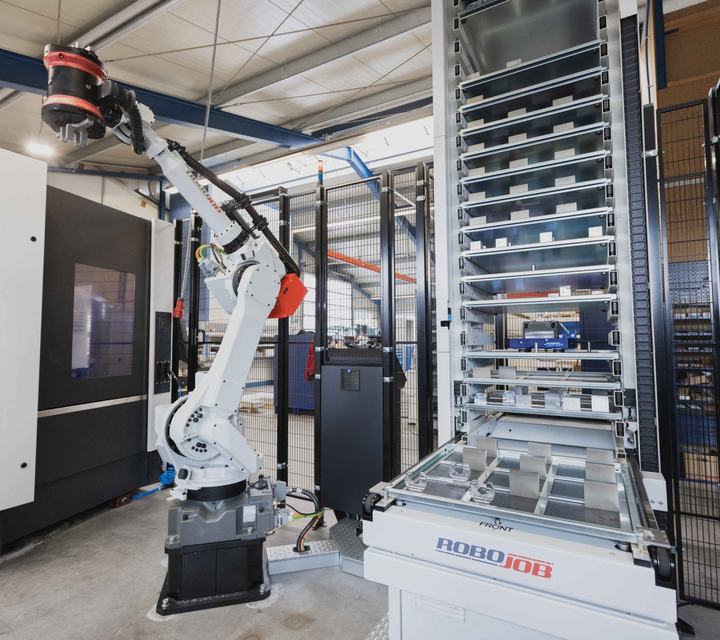
The robot takes out the finished fixture pallet and returns it to storage, where the operator unclamps the parts whenever it suits.
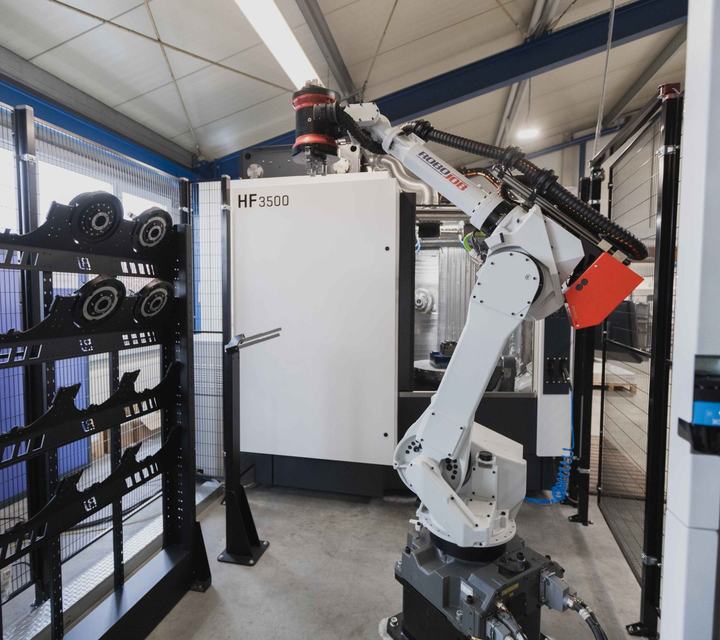
With enough fixture pallets in storage, the machining centre runs for many hours without an operator.
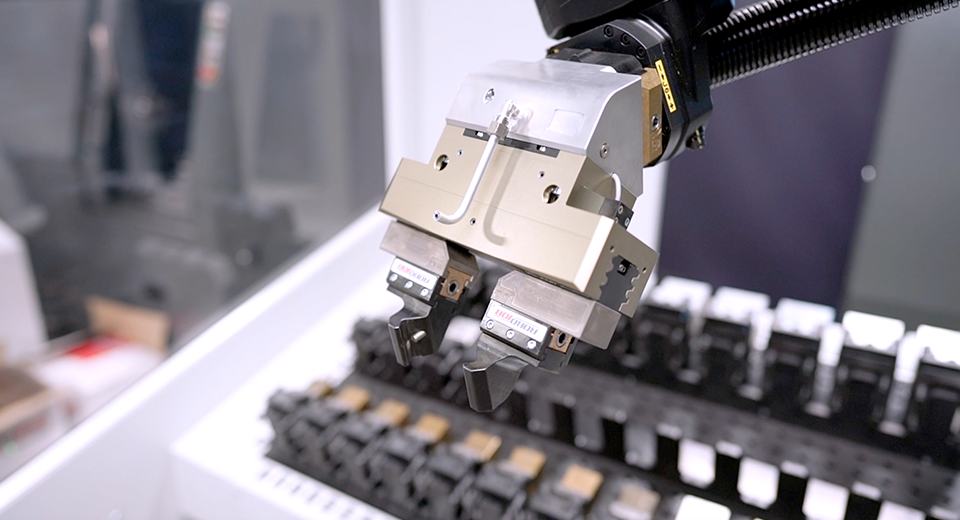
Which machines and fixtures can be automated?
Pallet exchange works on machining centres with an automatic door, a robot interface and a zero point clamping system. If the machine has none yet, your machine supplier or RoboJob can fit one.
On 3-axis and 5-axis machines, the robot docks fixture pallets directly on the table. FMO exchanges HWR fixtures on its Mazak CV5-500.
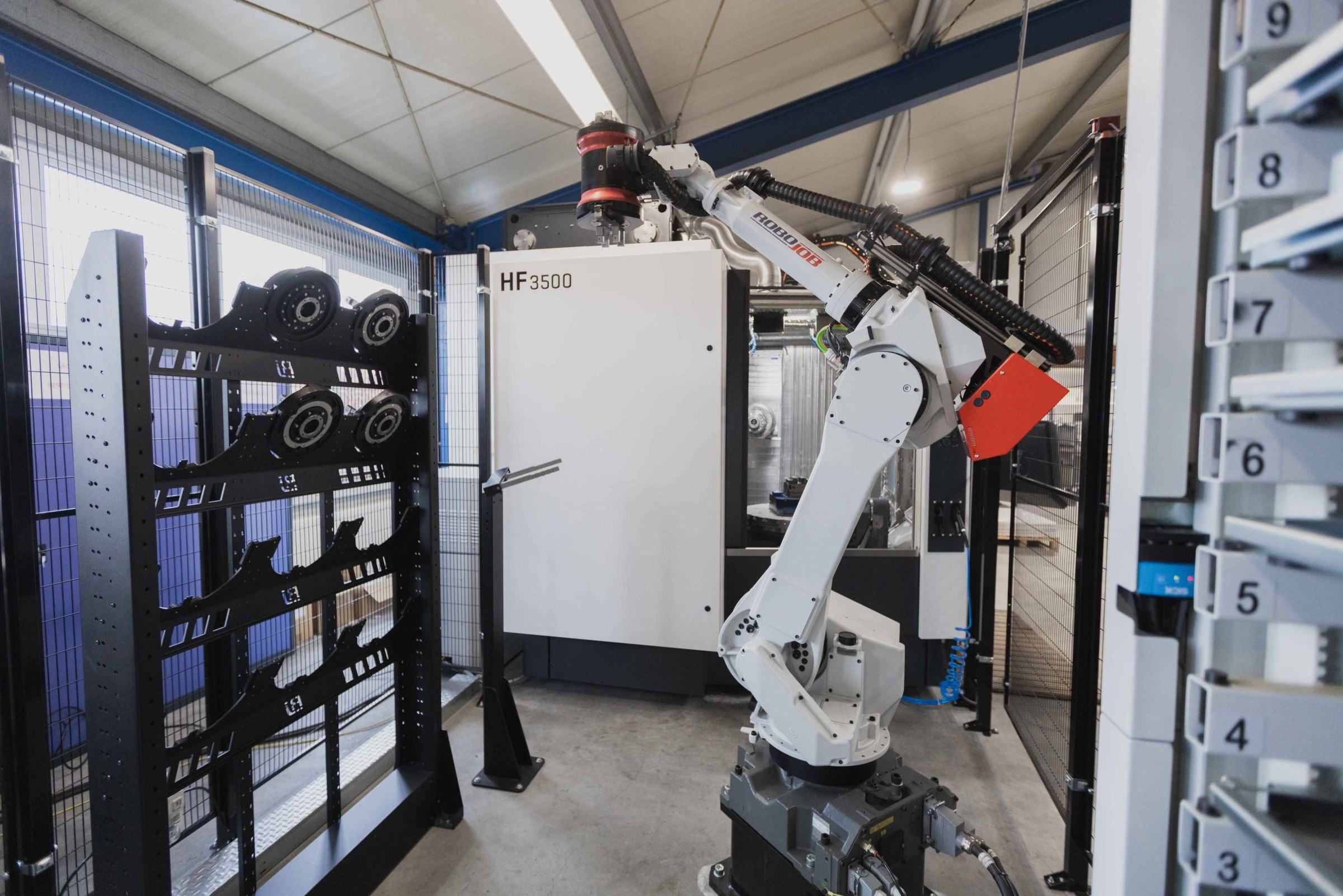
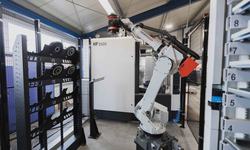
Horizontal machining centres often have a pallet changer with two or more machine pallets. Hertenberger Solutions combines a Heller HF 3500 with a Tower that stores and loads the pallets.
The pallet gripper is matched to the interface of your fixtures, such as HWR, Schunk or SMW.
For series of the same part, loading parts directly into an automatic vice is often simpler. See CNC milling automation or CNC machine tending.
Which RoboJob system fits pallet automation?
The number of fixture pallets you want to store decides the system.
- Tower: stores fixture pallets, parts and tools in adjustable trays, with a pallet portal to bring pallets into the Tower. For long runs and many jobs on one or two machines.
- Wall: a central storage that supplies fixture pallets to several machines, each with its own robot.
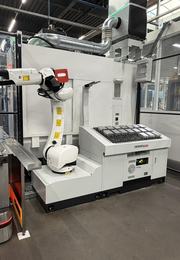
- Mill-Assist with Fixture Exchange: the compact entry for one machine, loading both parts and fixture pallets.
On Tower and Wall, the robot handles up to 113 kg with the 165 kg robot, gripper included in the payload.
Fixture pallets are clamped in the machine. Pallet-Load is for loading raw parts from a positioning pallet next to the machine and stacking finished parts on a wooden Euro pallet. Many shops use both.
Systems for pallet automation
-

Tower
Tower: die ultimative Automatisierung für Dreh- und Fräsmaschinen - wechselt Vorrichtungen, Spannbacken, Spannzangen und Werkstücke schneller, als Sie "Automatisierungsgenie" sagen können.
-

Wall
Ein revolutionäres modulares Automatisierungssystem, das die Beladung von CNC-Maschinen bei maximaler Raumeffizienz vereinfacht.
-

Mill-Assist
Eine kompakte, vielseitige Lösung, die das Beladen von CNC-Fräsmaschinen mit Geschwindigkeit und Präzision automatisiert.
One hour of set-up, 100 hours of production
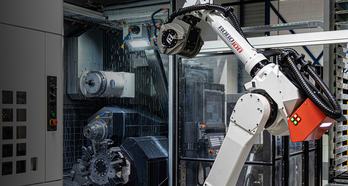
At Hertenberger Solutions, an hour of preparing fixture pallets is enough for 100 hours of unmanned machining.
Storage, grippers and clamping
In a Tower, fixture pallets sit in trays next to raw parts and tools. A Wall offers the same for several machines. The operator loads new pallets at an ergonomic load station.
The robot switches between its pallet gripper and part grippers, so one cell can handle fixture pallets and loose parts.
The zero point clamping system puts every fixture pallet on the same reference, so programs run without re-measuring.
What does pallet automation deliver?
The gain of fixture pallets is that set-up time and machining time no longer add up. While the machine runs one job, the next ones are already clamped and waiting.
Hertenberger Solutions produced 300 parts in 100 unmanned hours after one hour of set-up, and its operators programmed the system independently after two days of training.
What changes with fixture pallets
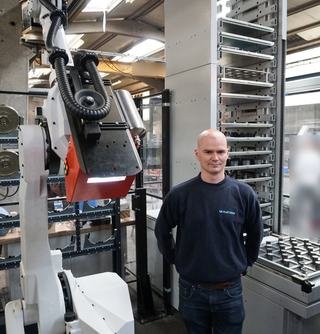
Working with fixture pallets changes how you plan the week, not only how long the machine runs.
Set-up during the day, machining at night. Operators clamp pallets in daytime hours; the robot works through the queue at night.
High-mix without changeover stops. Each pallet carries its own job and program, so the next job starts as soon as the previous one ends.
Large and small jobs side by side. Hertenberger combines long production runs with high-mix, low-volume work on the same machine.
Quick to learn. At Hertenberger, operators programmed the cell independently after two days of training.
Predictable output. A full storage shows exactly how many hours of work are waiting.
Pallet automation in practice
Hertenberger Solutions automated its Heller HF 3500 machining centre with a Tower. One hour of set-up gives 100 hours of unmanned production, during which the cell made 300 parts.
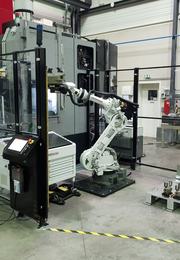
On its Mazak CV5-500, FMO uses a Mill-Assist Essential with the Fixture Exchange module. The robot loads loose workpieces as well as HWR fixtures, which lets the cell run several different parts per night.
More customer stories
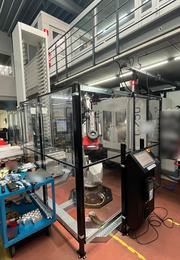
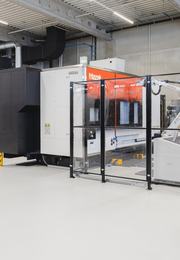
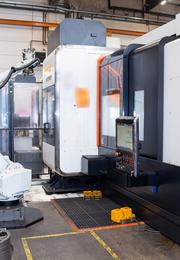
Discover how other machine shops keep their machining centres running unattended.

More customer stories
Discover how other machine shops keep their machining centres running unattended.
CNC pallet automation: frequently asked questions
What is a fixture pallet?
A fixture pallet is a pallet with a vice or fixture on it. The robot can dock and undock it on the machine, and the fixture clamps the workpiece during machining.
What is the difference between pallet automation and Pallet-Load?
Pallet automation with fixture pallets exchanges the workholding in the machine. Pallet-Load loads raw parts from a positioning pallet next to the machine and stacks finished parts on a wooden Euro pallet.
Does my machine need a zero point clamping system?
Yes. The zero point clamping system makes sure every fixture pallet ends up on the same reference. RoboJob or your machine supplier can fit one.
How many fixture pallets can a Tower store?
That depends on the size of the pallets and the tray layout. The trays of a Tower are fully adjustable, and the 2nd generation offers up to 14 m² of storage.
Can one robot handle fixture pallets and loose parts?
Yes. The robot exchanges its gripper, so it can load fixture pallets as well as individual parts.
Which fixture systems are supported?
The pallet gripper is matched to your fixture interface, such as HWR, Schunk or SMW.
Ready to automate your fixture pallets?
Tell us which machining centre and fixtures you use. We will show you how many hours a robot can add with fixture pallets.
Let's meet
Want to know how fixture pallets can work in your shop?
Get in touch and explore the opportunities for your business.


Jan Van De Wouwer
Sales Manager

Austin Davis
Area Sales Manager
