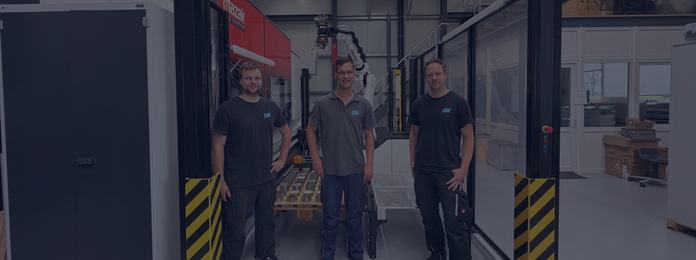
CNC operator shortage: produce more with the team you have
Cannot find enough skilled CNC operators? A robot takes over the loading and unloading, so your people supervise several machines and focus on the work that needs their skills.
How automation answers the shortage of CNC operators
Machine shops across Europe struggle to find skilled CNC operators. Orders are there, machines are there, but nobody to run them for a second or third shift. Automation does not replace your skilled people; it takes the repetitive loading off their hands.
Loading and unloading parts is the part of the job that needs the least skill and takes the most time. When a robot does it, one operator can supervise several machines, and your specialists spend their time on programming, set-ups and quality.
- From loading to supervising: one operator looks after several automated machines.
- More interesting work: programming, process optimisation and one-off parts instead of repetitive handling.
- Less heavy lifting: the robot lifts the parts, which improves ergonomics.
- Easy to learn: jobs are set up on a touchscreen without robot programming.
How one operator runs several machines
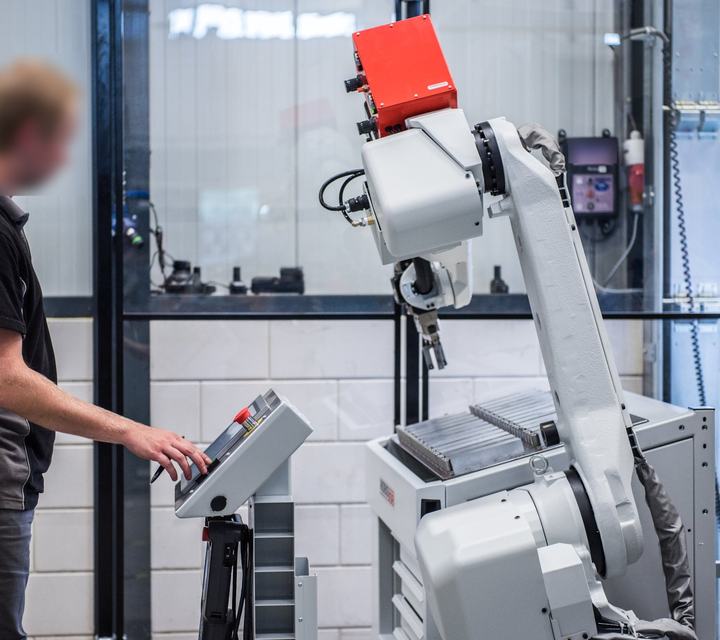
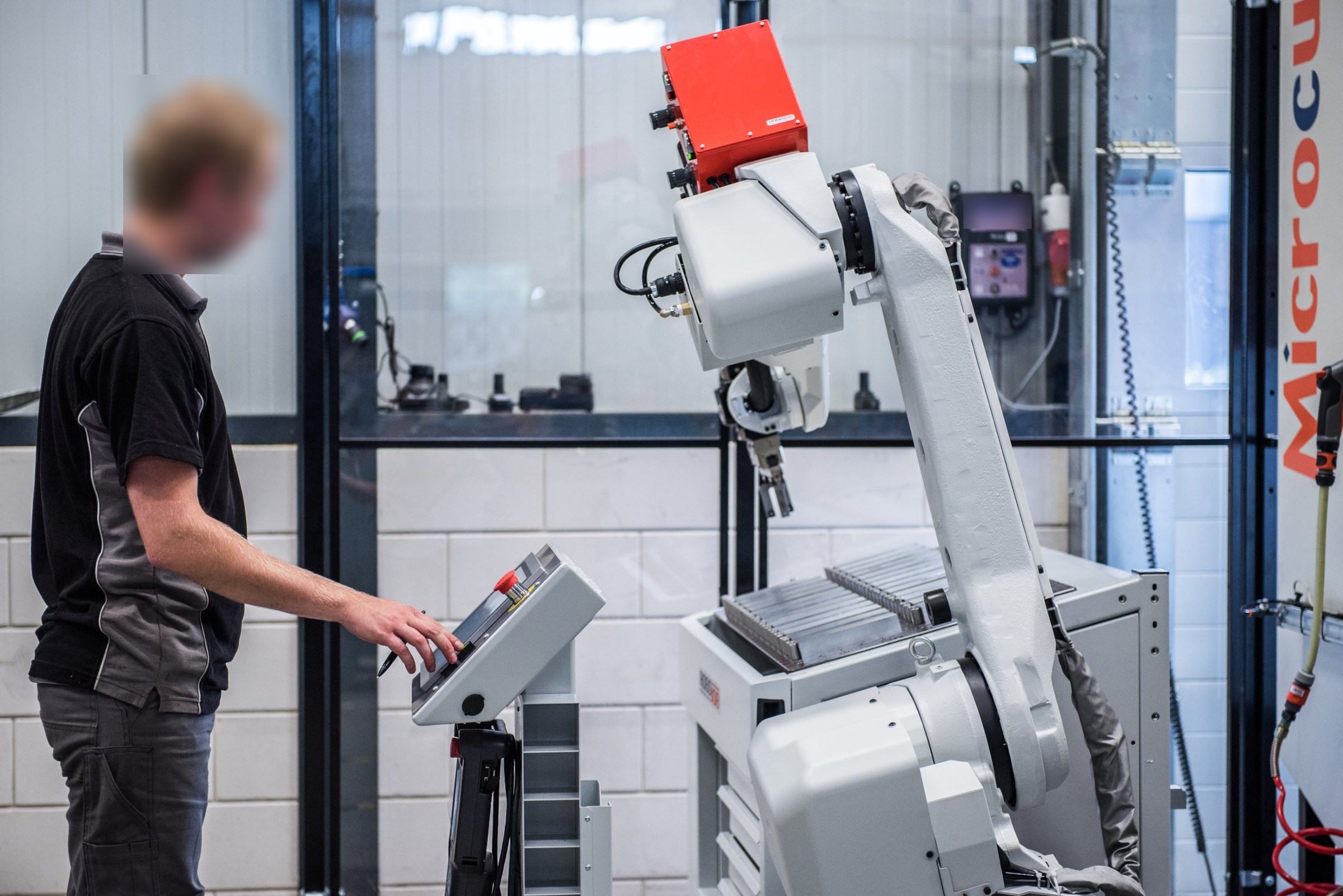
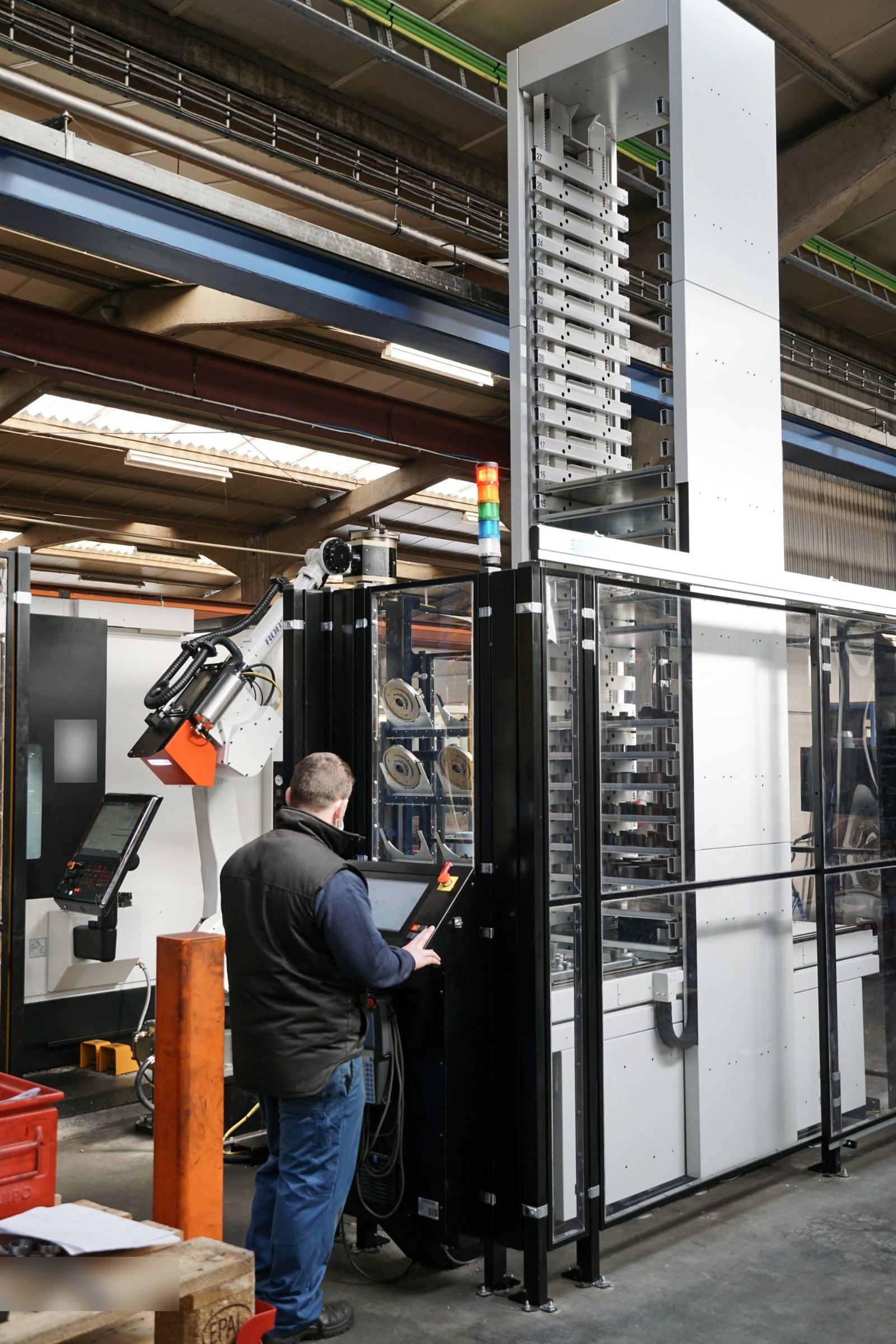
The operator sets up a new job on the touchscreen in about 5 minutes, without robot programming skills.
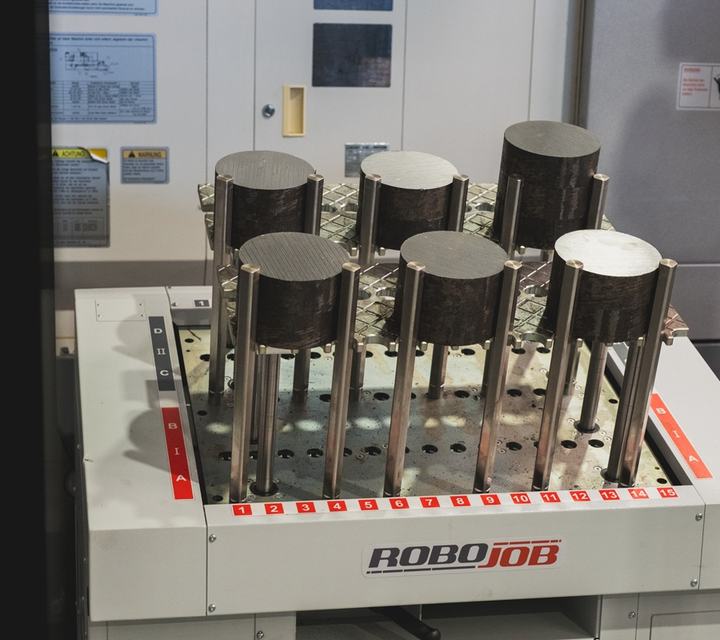
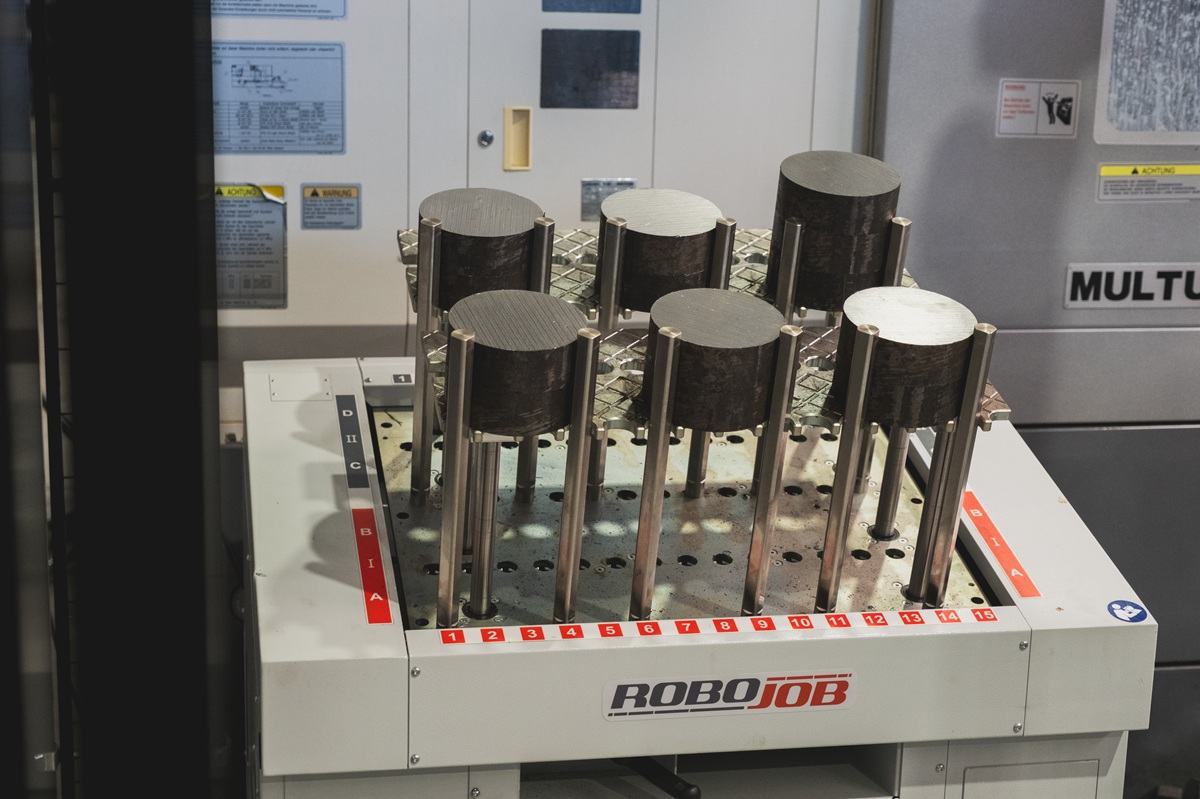
Blanks go on the table, in the trays or on a pallet. At Biezepol, a Pallet-Load with vision even picks parts from standard wooden pallets.
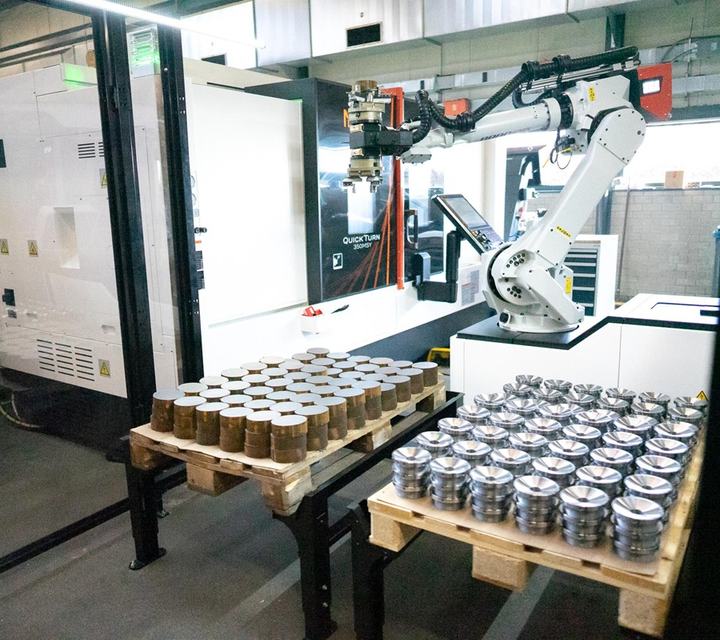
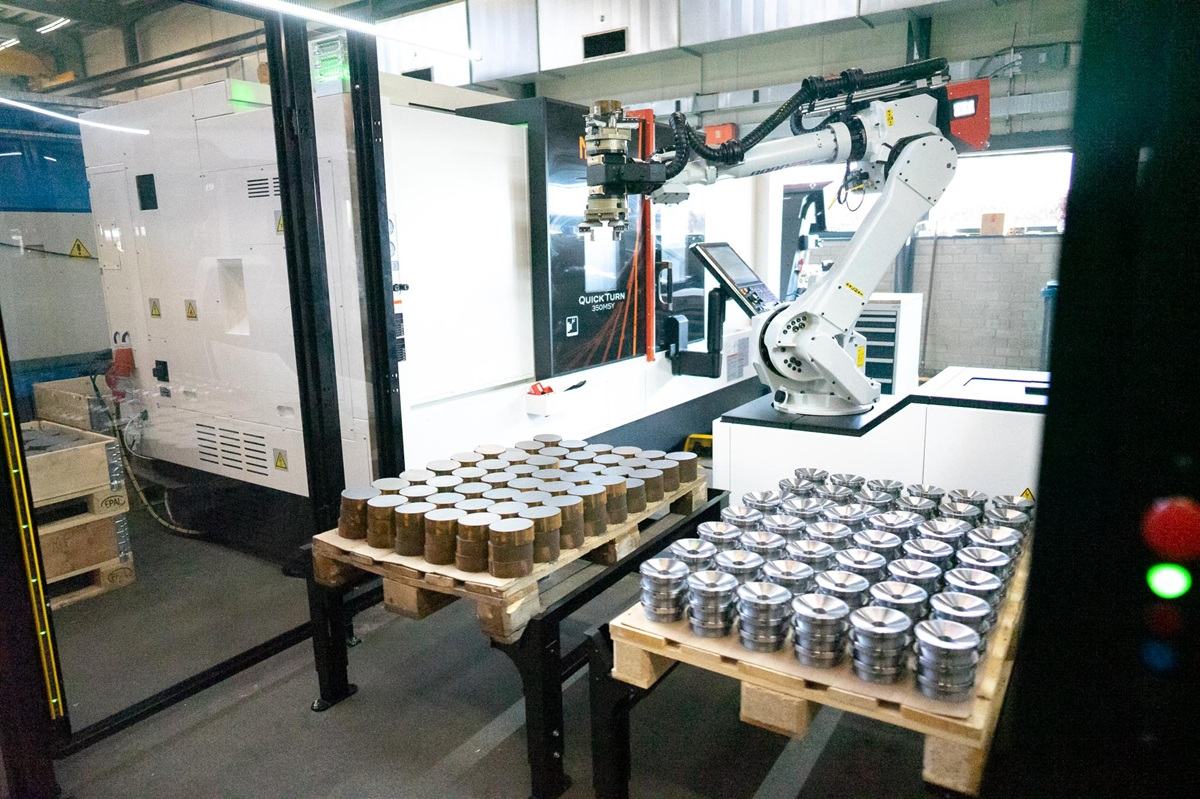
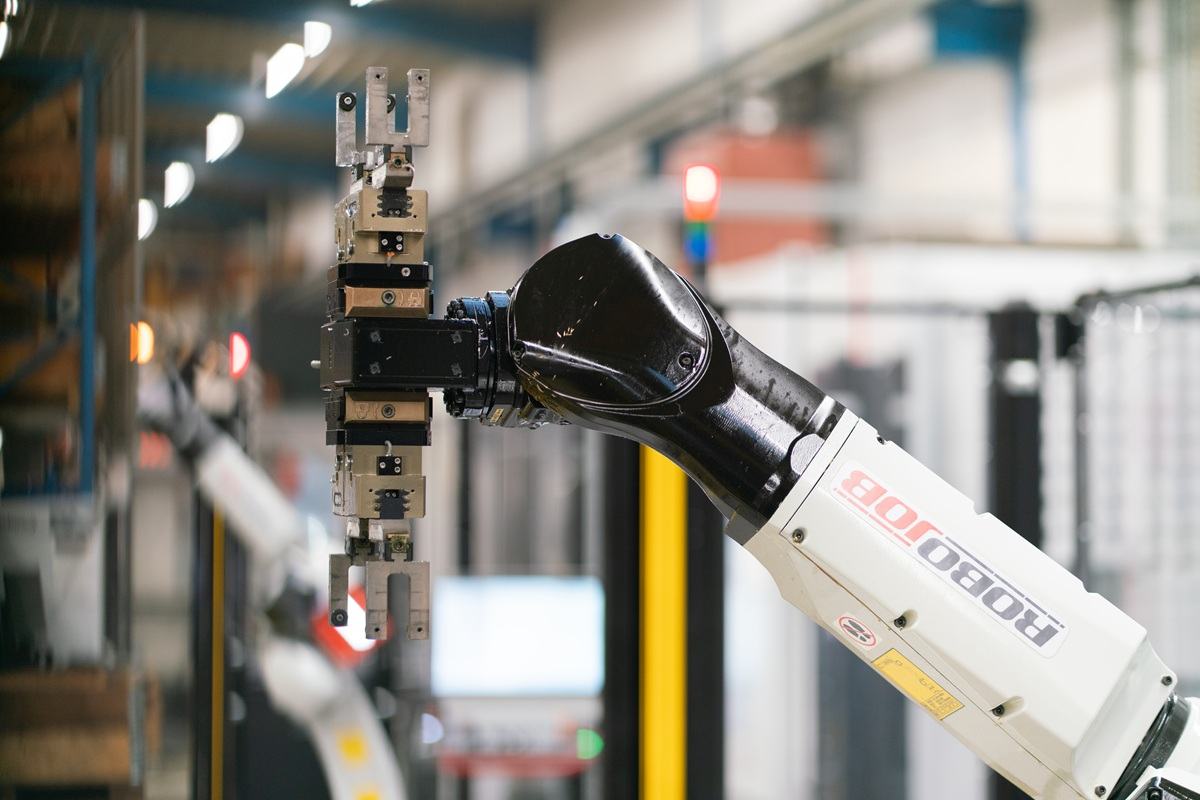
The robot loads and unloads every cycle, so the operator does not have to stand next to the machine.
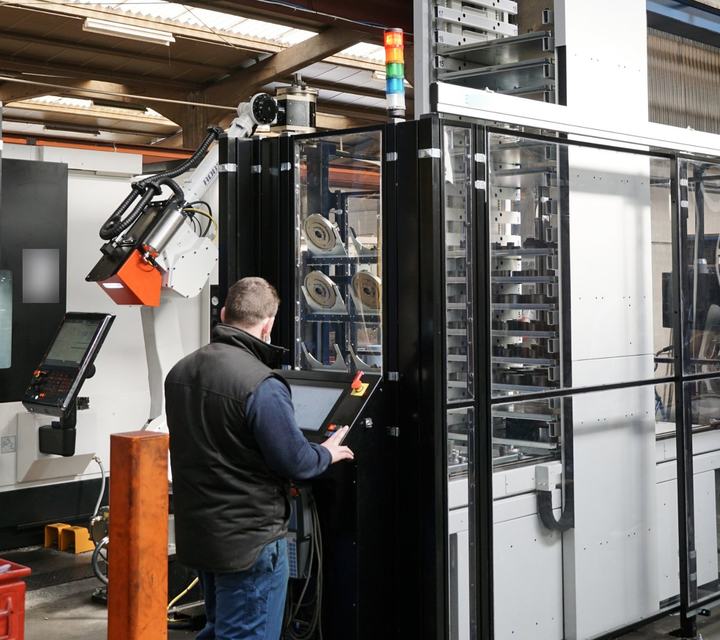
Meanwhile, the operator prepares the next machine, programs a new part or checks quality.
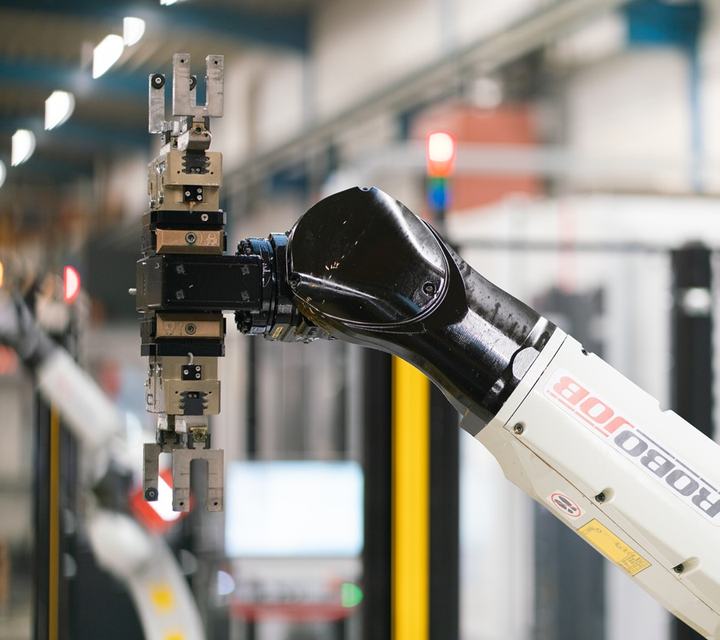
At KS Metaalwerken, robots run the series work on several machines while the operators focus on programming and one-off parts.
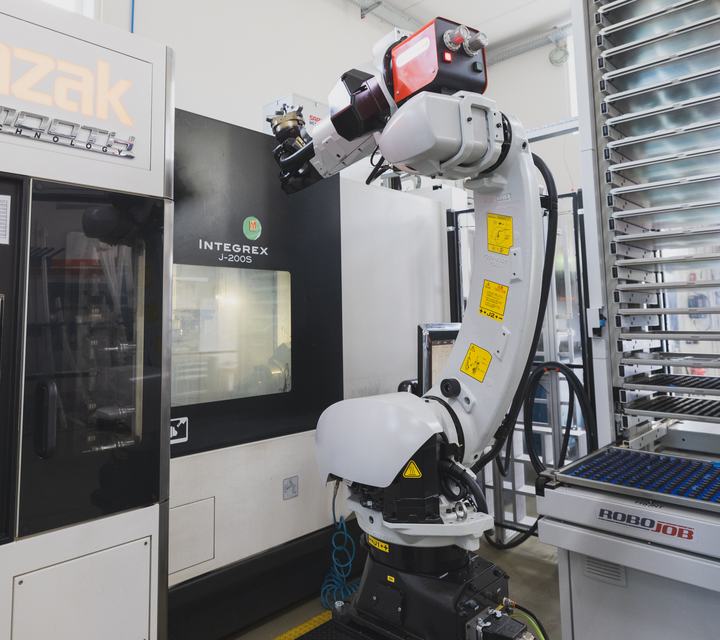
When the team goes home, the robots keep the machines running, without a night shift.
Where to start
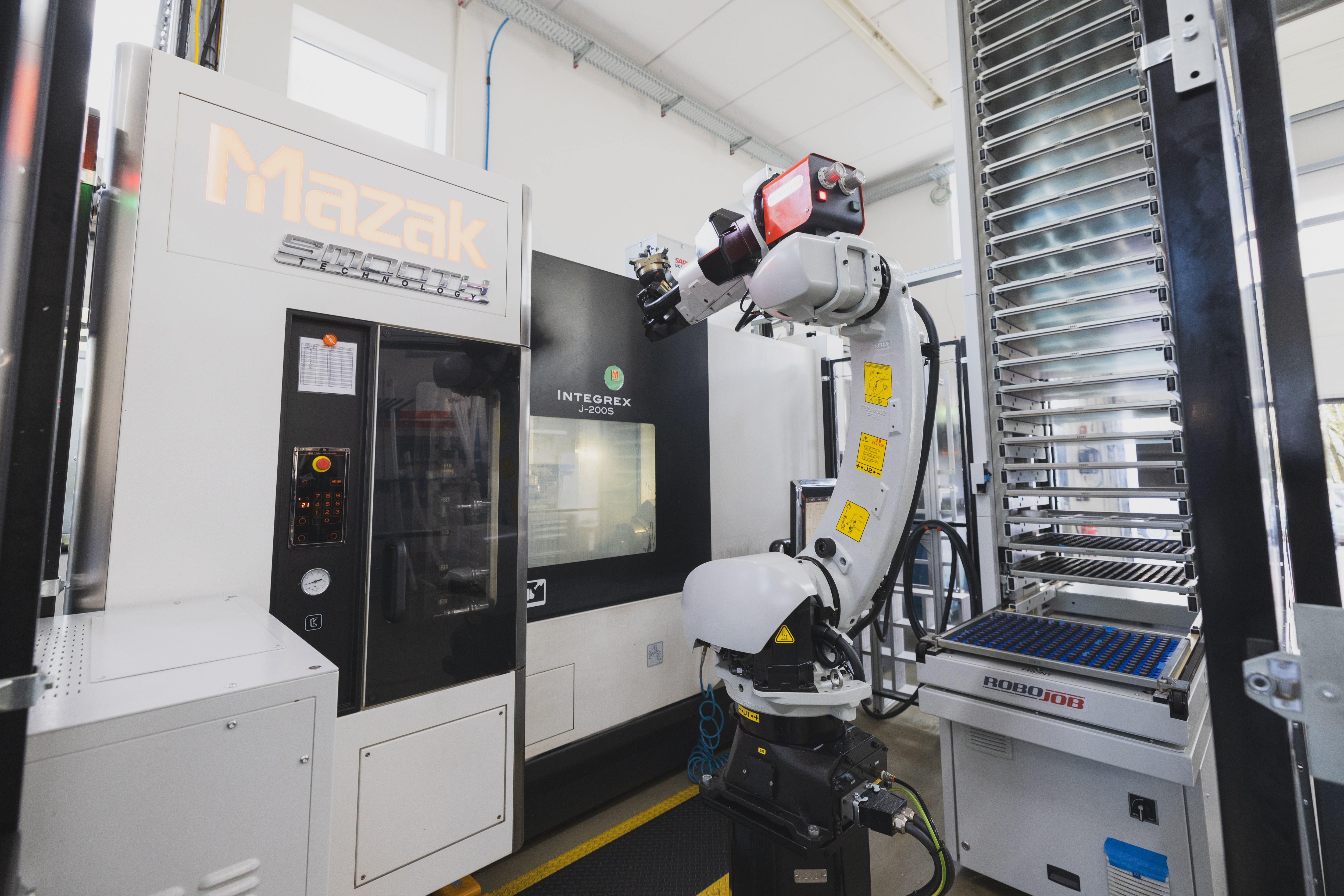
Start with the machine that runs series and keeps an operator tied to it the most. That is where a robot frees up the most hours of skilled work.
Lathes with cycle times of a few minutes keep an operator busy loading all day. Automating them frees up the most time.
If you cannot staff a second or third shift, let the robot run those hours unattended.
Which RoboJob system fits your team?
All RoboJob systems are designed for operators without robot programming experience.
- Turn-Assist and Mill-Assist: compact cells for lathes and milling machines; a new job is ready in about 5 minutes.
- Tower: for many jobs and long unattended runs, so few people can keep machines busy for days.
- Wall: one storage for several machines, so a small team supplies them all from one place.
- Coby CNC: a cobot for small parts that works next to people without fencing.
Operators learn to work with the system quickly. At Hertenberger Solutions, operators programmed the cell independently after two days of training.
Systems that relieve your operators
-

Turn-Assist
Ein intelligentes, flexibles System, das das Be- und Entladen von CNC-Drehmaschinen rationalisiert.
-

Mill-Assist
Eine kompakte, vielseitige Lösung, die das Beladen von CNC-Fräsmaschinen mit Geschwindigkeit und Präzision automatisiert.
-

Tower
Tower: die ultimative Automatisierung für Dreh- und Fräsmaschinen - wechselt Vorrichtungen, Spannbacken, Spannzangen und Werkstücke schneller, als Sie "Automatisierungsgenie" sagen können.
-

Wall
Ein revolutionäres modulares Automatisierungssystem, das die Beladung von CNC-Maschinen bei maximaler Raumeffizienz vereinfacht.
-

Coby CNC
Der kompakte, auf Sicherheit bedachte Mitarbeiter, der Ihren ersten Schritt in die CNC-Automatisierung wie einen Spaziergang erscheinen lässt.
Operators where they add most value
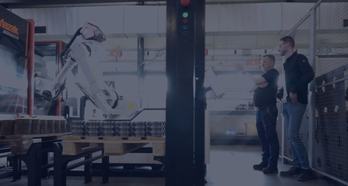
At Biezepol, robots handle the loading, so operators work where their skills matter most.
Support for your team
Multi-touch controls, 3D visualisations and saved jobs make the system easy to use for every operator.
RoboJob service technicians can connect remotely to help your team, so a small team is never on its own.
Load stations and trays at working height reduce lifting for your operators.
What does it mean for your capacity?
When one operator can supervise several automated machines, your capacity is no longer limited by the number of people you can hire.
PTM Mechatronics went from two production teams to one, with more output from its automated Mazak Integrex.
What changes for your team
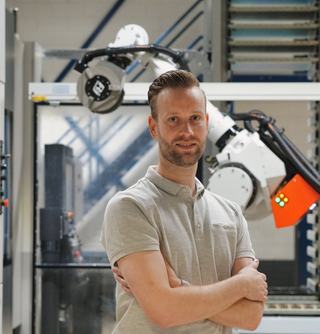
Automation changes the work of your operators more than the number of operators.
More output per person. PTM Mechatronics produces more with one team than it did with two.
Skilled work instead of loading. At KS Metaalwerken, operators focus on programming and one-off work while robots run the series.
Better ergonomics. The robot lifts the parts, which matters more as your workforce gets older.
Attractive jobs. Working with robots and modern software helps you attract and keep young talent.
Less pressure on planning. Machines keep running even when someone is ill or on holiday.
Facing the operator shortage in practice
Biezepol automated three Mazak machines with Turn-Assist, Mill-Assist and the first Pallet-Load Integrated with vision and AI, which loads straight from standard wooden pallets. Operators are deployed where they add most value.
PTM Mechatronics runs its Mazak Integrex j-200S 24/7 with a Tower. Instead of two production teams, one team now produces more.
At KS Metaalwerken, three Turn-Assist cells and a Tower take over the series work, so the operators can focus on programming and one-off parts.
More customer stories
Discover how other machine shops keep growing with the team they have.
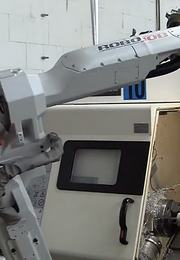
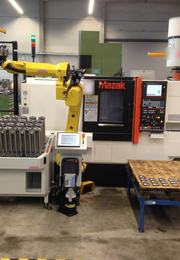
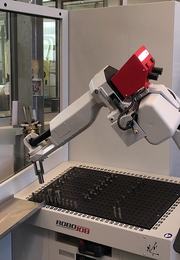
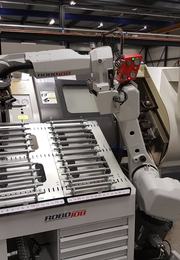
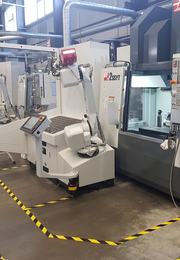
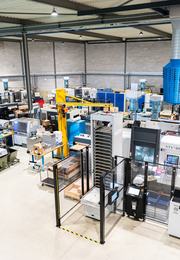
More customer stories
Discover how other machine shops keep growing with the team they have.
CNC operator shortage: frequently asked questions
Can automation solve a shortage of CNC operators?
It reduces the problem. A robot takes over the loading and unloading, so one operator can supervise several machines, and machines keep running after hours without extra staff.
Will automation replace my operators?
No. The robot takes over repetitive handling. Your operators move to programming, set-up, quality and one-off parts, which is where their skills matter most.
Do my operators need robot programming skills?
No. Jobs are set up on a touchscreen with 3D visualisations, in about 5 minutes. At Hertenberger Solutions, operators worked independently after two days of training.
How many machines can one operator supervise?
That depends on cycle times and storage. With robots on several machines, one operator mainly prepares jobs and refills storage instead of loading every cycle.
Which machine should I automate first?
Start with the machine that keeps an operator busiest with loading, usually a lathe with short cycle times or a machine that should run after hours.
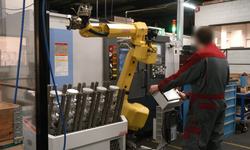
Ready to do more with your team?
Tell us how many machines and operators you have. We will show you where a robot frees up the most hours.
Let's meet
Want to know how automation can relieve your team?
Get in touch and explore the opportunities for your business.


Jan Van De Wouwer
Sales Manager

Austin Davis
Area Sales Manager
